סריקה בתהליך...
הניתוח עשוי לארוך 30–90 שניות
הידעת?
הסרטון אינו מכיל תוכן רפואי
חושבים שחלה טעות?
אם לדעתכם הסרטון אכן עוסק בטענות רפואיות או בריאותיות, הוסיפו הסבר קצר ושלחו בקשה לבדיקה מחדש.
הבקשה התקבלה! נבדוק את הסרטון ונחזור אליכם.
אירעה שגיאה בשליחת הבקשה. נסו שוב.
דו״ח מאומת
הסרטון מכיל טענות שגויות ומטעות שאינן מגובות בראיות מדעיות.
סיכום
הספרות המדעית מאשרת כי שקיקי תה מהווים מקור לחשיפה למיקרו-פלסטיק עקב תהליך החליטה במים רותחים. בעוד שמחקרים מצביעים על פוטנציאל לנזק ביולוגי (דלקת, עקה חמצונית) במודלים מעבדתיים, קיימים פערי ידע לגבי ההשפעה הבריאותית ארוכת הטווח בבני אדם. הטענה כי תה אינו מספק תועלת בריאותית הופרכה, שכן הרכיבים הצמחיים בתה ידועים כבעלי סגולות בריאותיות.
תוכן פרסומי
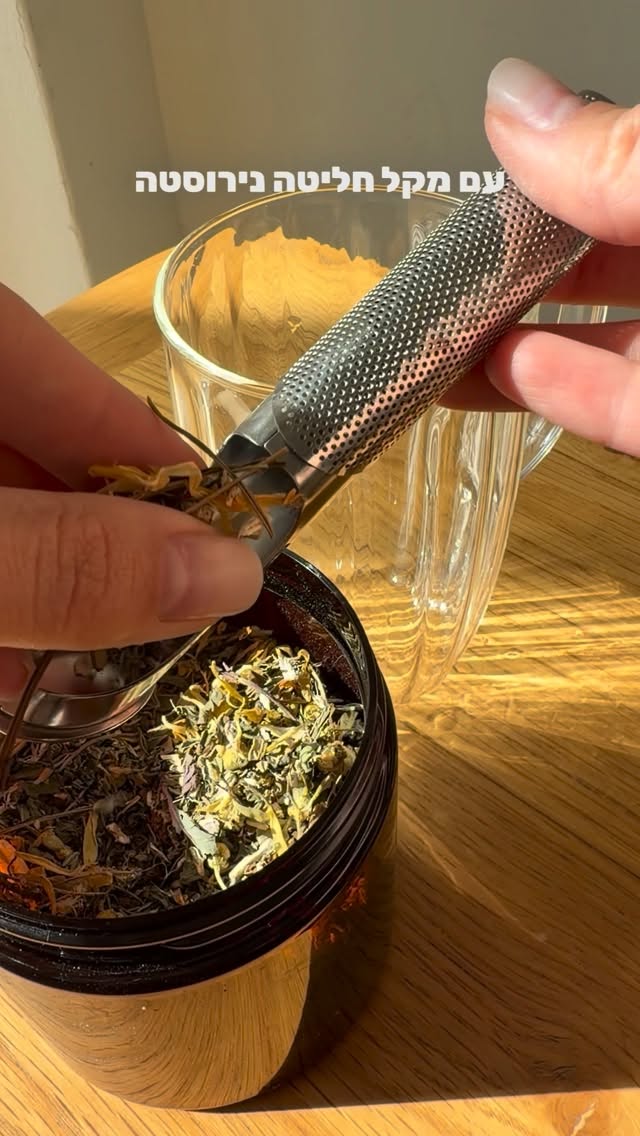
מקדם: מקל חליטה מנירוסטה (בכיתוב)
analytics ניתוח טענות מבוסס ראיות
"חשיפה לחלקיקי מיקרו-פלסטיק משקיקי תה עלולה לשבש את המערכת ההורמונלית ולפגוע ברקמות הגוף."
מסקנת הבדיקה:
קיימת עדות מדעית לכך שמיקרו-פלסטיק עלול להוות גורם סיכון ביולוגי, אך הטענה לגבי שיבוש הורמונלי ופגיעה ברקמות בבני אדם כתוצאה ישירה מחליטת תה עדיין נחקרת. בעוד שמנגנוני רעילות נצפו במודלים של בעלי חיים ותאים, נדרשים מחקרים אפידמיולוגיים נוספים כדי לקבוע את מידת ההשפעה הקלינית בבני אדם. (🟨)
chevron_right מקורות מדעיים: (3)
-
link
From Kitchen to Cell: A Critical Review of Microplastic Release from Consumer Products and Its Health Implications.
Microplastics (MPs) are pervasive environmental pollutants, widely distributed from aquatic ecosystems to the terrestrial food chain, and represent a potential route of human exposure. Although several reviews have addressed MP contamination, a critical synthesis focusing on pathways through which consumer goods directly enter food and beverages, along with corresponding industry and regulatory responses, is lacking. This review fills this gap by proposing the direct release of MPs from common sources such as food packaging, kitchen utensils, and household appliances, linking the release mechanisms to human health risks. The release mechanisms of MPs under thermal stress, mechanical abrasion, chemical leaching, and environmental factors, as well as a risk-driven framework for MP release, are summarized. Human exposure through ingestion is the predominant route, while inhalation and dermal contact are additional pathways. In vitro and animal studies have associated MP exposure to inflammatory responses and oxidative stress, neurotoxicity, and genomic instability as endpoints, though direct causal evidence in humans remains lacking, and extrapolation from model systems necessitates caution. This review revealed that dietary intake from kitchen sources is the primary pathway for MP exposure, higher than the inhalation pathway. Most importantly, this review critically sheds light on the initiatives that should be taken by industries with respect to global strategies and new policies to alleviate these challenges. However, while there has been an upsurge in research commenced in this area, there are still research gaps that need to be addressed to explore food matrices such as dairy products, meat, and wine in the context of the supply chain. In conclusion, we pointed out the challenges that limit this research with the aim of improving standardization; research approaches and a risk assessment framework to protect health; and the key differences between MP and nanoplastic (NP) detection, toxicity, and regulatory strategies, underscoring the need for size-resolved risk assessments.…
PMID: 41600643
-
link
Polyethylene Packaging as a Source of Microplastics: Current Knowledge and Future Directions on Food Contamination.
Polyethylene (PE) is the most widely produced plastic globally. It is extensively used as packaging in both the food and pharmaceutical industries. Its use can result in the formation of emerging contaminants-microplastics (MPs). This review summarizes current knowledge on PE and PE-derived microplastics (PE-MPs) and highlights existing gaps. It discusses the factors influencing PE degradation, with particular emphasis on interactions with packaged contents and food products. The role of PE-MPs as vectors for environmental contaminants is also examined, focusing on their adsorption and desorption behavior. Finally, we explore the toxicity and bioaccessibility of PE-MPs. Our findings indicate that pH, temperature, and exposure time are the most significant factors driving PE degradation. However, comparative studies examining a broad spectrum of parameter values remain scarce. The process of PE-MP generation remains largely unexplored. Adsorption mechanisms on PE-MPs are well documented in the literature. In contrast, desorption has received significantly less scientific attention, and its relevance to human exposure is still unclear. Numerous studies have suggested potential links between human exposure to PE-MPs and the development of non-communicable diseases, including cardiovascular and neurodegenerative disorders. Nevertheless, no studies have yet examined the bioavailability of PE-MPs. Similarly, the dose-response relationship between PE and MP exposure and toxicological outcomes in humans remains unclear. As a result, it is currently not possible to establish safety thresholds for PE-MP contamination in food products. This review offers a novel polymer-specific approach to MPs research and outlines specific recommendations for future studies.…
PMID: 40724228
-
link
Health risks posed by microplastics in tea bags: microplastic pollution - a truly global problem.
PMID: 36927815
"צריכת מיקרו-פלסטיק עלולה לעורר דלקת, להעמיס על הכבד ולפגוע במערכת העיכול והחיסון."
מסקנת הבדיקה:
מחקרים בבעלי חיים ובמודלים של תאים אנושיים הראו כי חשיפה למיקרו-פלסטיק עלולה לעורר תגובות דלקתיות ולפגוע בתפקוד הכבד ומערכת העיכול. עם זאת, המעבר מממצאים במעבדה להשפעה בריאותית מובהקת בבני אדם בצריכה יומיומית רגילה עדיין נמצא תחת מחקר אינטנסיבי. (🟨)
chevron_right מקורות מדעיים: (3)
-
link
Prolonged oral ingestion of microplastics induced inflammation in the liver tissues of C57BL/6J mice through polarization of macrophages and increased infiltration of natural killer cells.
Microplastics (< 5 mm diameter) are one of most important environmental pollutants and contaminants worldwide. However, how microplastics affect liver immune microenvironment in not well understood. Microplastics (0.5 µm) were administered orally to C57BL/6J mice for 4 consecutive weeks at the rate of 0.5 mg/day. Non-parenchymal cells were isolated from of the mice through fractionation of fresh hepatic tissues. The immune landscape for four cell populations of B cells, T cells, NK cells and macrophages in the liver tissues was then evaluated using flow cytometry. The secretion level of inflammatory cytokines and associated signaling pathway were investigated using quantitative real-time polymerase chain reaction and western blot. Oral ingestion of microplastics increases liver weight, general liver index as well as expression of serum, liver function-related indicators. Microplastics also increased the infiltration of natural killer cells and macrophages to non-parenchymal liver cells, but reduced that of B cells to the same tissues. However, microplastics had no effect on the infiltration of T cell to non-parenchymal liver cells. Ingestion of MPs also up-regulated the expression of IFN-γ, TNF-α, IL-1β, IL-6 and IL-33 mRNA, but down-regulated that of IL-4, IL-5, IL-10, IL-18 and TGF-β1. Overall, the aforementioned processes were regulated via the NF-κB pathway in the hepatic non-parenchymal cells. Microplastics disrupts inflammatory process in liver tissues via the NF-κB signaling pathway. These findings provide a strong foundation on immune processes in hepatic tissues following prolonged ingestion of microplastics.…
PMID: 34700168
-
link
Microplastic-induced hepatic adverse effects evaluated in advanced quadruple cell human primary models following three weeks of repeated exposure.
Nano and microplastics are defined as particles smaller than 100 nm and 5 mm respectively. The widespread production and use of plastics in everyday life has resulted in significant accumulation of plastic debris in the environment. Over the last two decades there are increased concerns regarding the potential entry and accumulation of plastics in the human body with ingestion being one of the most important routes of exposure. However, the magnitude and nature of potential toxic effects of plastic exposure to human health is not yet fully understood. The liver is the body's principal detoxification organ and critically to this study recognized as the main accumulation site for particulates. In this study as the first of its kind the health impacts of long term low repeated polystyrene microplastics (1 and 5 μm) exposure was investigated in a functionally active 3D liver microtissue model, composed of primary human hepatocytes, Kupffer cells, sinusoidal endothelial cells and hepatic stellate cells. The highlight from the data includes microplastic-induced dose (3.125-25 μg/ml) and time dependent (up to 504 h) increase in cell death and inflammation manifested by enhanced release of IL6, IL8 and TNF-α. The exposure to repeated dosing of the plastics also resulted in notable pathology manifested as aberrant tissue architecture, such as dilated bile canaliculi and large lipid droplets inside the hepatic cells. This toxicity matched extremely well to the accumulation of the materials with the cells of microtissue predominately in the organ macrophages. This study highlights the real issue and danger of microplastic exposure with potential for long-term accumulation and adverse effects of non-biodegradable plastics within the liver.…
PMID: 39111678
-
link
Microplastics Induced Dysfunctions in Physiology and Behavior of Fish: A Comprehensive Review.
Microplastics (MPs) pollution is a global concern due to their widespread persistence, occurrence, and toxicity to aquatic organisms. Fish are most vulnerable to MPs due to their feeding habits and ecological niches. This review critically synthesizes current evidences on MPs induced disruptions of key physiological functions and behavioral patterns in fish, with an emphasis on the underlying mechanistic pathways and biological consequences. MPs originate from various sources, entering aquatic systems and being ingested by fish directly or via trophic transfer. A prominent effect is growth inhibition commonly caused by gastrointestinal damage, impaired nutrient absorption, and metabolic stress. Moreover, it causes several hematobiochemical disruptions including anemia, leukocyte fluctuations, and biochemical and enzymatic imbalances that are connected to oxidative stress and immunosuppression. MPs also disrupt reproductive performances of fish through altering gonadosomatic index, inducing endocrine disruptions, dysregulating hypothalamic-pituitary-gonadal axis genes, and reducing fertilization and hatching success, with several transgenerational effects. Furthermore, MPs can induce oxidative stress through overproduction of reactive oxygen species (ROS) and modulation of antioxidant enzymes, along with dysregulation of immune and inflammatory responses. Behavioral alterations include reduced swimming performance and changes in feeding and reproductive behavior, which are linked to neurotoxicity and impairment of energy metabolism. Although a limited number of studies suggest species-specific effects, most studies highlight significant adverse impacts on fish health. Hence, this review and meta-analysis indicates that MPs substantially compromise fish physiology manifesting as poor growth, altered blood and metabolic profiles, impaired reproduction, and behavioral patterns. By integrating sources and transport pathways to physiological and behavioral outcomes, this review provides a comprehensive summary to inform ecological risk assessment and management of MPs in fisheries and aquatic ecosystems.…
PMID: 41953324
"שקיקי תה מכילים סיבי פלסטיק שמשתחררים למים רותחים."
מסקנת הבדיקה:
מחקרים מדעיים עדכניים מאשרים כי שקיקי תה, במיוחד אלו העשויים מפלסטיק או המכילים רכיבי פלסטיק, משחררים כמויות משמעותיות של מיקרו-פלסטיק וננו-פלסטיק לתוך מים רותחים במהלך החליטה. (🟩)
chevron_right מקורות מדעיים: (2)
-
link
Microplastics and nanoplastics in tea: Sources, characteristics and potential impacts.
Recent scientific studies have raised concerns about the presence and potential impacts of microplastics and nanoplastics (MNPs) in tea-based drinks. This review critically examines publications relating to MNPs in tea, with focus on the type of sample involved, methods and techniques employed to isolate and identify MNPs, and the main qualitative and quantitative findings. Sources of MNPs in tea include production water, plastic packaging and contaminated tea leaves but the most important source is teabags when steeped in boiling water. Here, more than 10…
PMID: 39608112
-
link
From Kitchen to Cell: A Critical Review of Microplastic Release from Consumer Products and Its Health Implications.
Microplastics (MPs) are pervasive environmental pollutants, widely distributed from aquatic ecosystems to the terrestrial food chain, and represent a potential route of human exposure. Although several reviews have addressed MP contamination, a critical synthesis focusing on pathways through which consumer goods directly enter food and beverages, along with corresponding industry and regulatory responses, is lacking. This review fills this gap by proposing the direct release of MPs from common sources such as food packaging, kitchen utensils, and household appliances, linking the release mechanisms to human health risks. The release mechanisms of MPs under thermal stress, mechanical abrasion, chemical leaching, and environmental factors, as well as a risk-driven framework for MP release, are summarized. Human exposure through ingestion is the predominant route, while inhalation and dermal contact are additional pathways. In vitro and animal studies have associated MP exposure to inflammatory responses and oxidative stress, neurotoxicity, and genomic instability as endpoints, though direct causal evidence in humans remains lacking, and extrapolation from model systems necessitates caution. This review revealed that dietary intake from kitchen sources is the primary pathway for MP exposure, higher than the inhalation pathway. Most importantly, this review critically sheds light on the initiatives that should be taken by industries with respect to global strategies and new policies to alleviate these challenges. However, while there has been an upsurge in research commenced in this area, there are still research gaps that need to be addressed to explore food matrices such as dairy products, meat, and wine in the context of the supply chain. In conclusion, we pointed out the challenges that limit this research with the aim of improving standardization; research approaches and a risk assessment framework to protect health; and the key differences between MP and nanoplastic (NP) detection, toxicity, and regulatory strategies, underscoring the need for size-resolved risk assessments.…
PMID: 41600643
"שקיקי תה אינם מספקים תועלת בריאותית."
מסקנת הבדיקה:
הטענה ששקיקי תה אינם מספקים תועלת בריאותית אינה נכונה, שכן התה עצמו (עלי הצמח) מכיל נוגדי חמצון, פוליפנולים ותרכובות פעילות בעלות השפעות בריאותיות מוכחות, ללא קשר לאריזת השקיק. (🟥)
chevron_right מקורות מדעיים: (2)
-
link
Ultrasound-assisted extraction of Hibiscus rosa-sinensis flower extracts to be utilized as a sustainable ingredient for the development of functional tea.
Hibiscus rosa-sinensis flower is gaining attention for their rich nutritional and functional profile, positioning them as promising ingredients for health-oriented functional foods and beverages. However, limited studies have explored their direct application in functional foods and beverages. This study addresses that gap by assessing the nutritional composition, antioxidant potential, and incorporation of H. rosa-sinensis flower extract as a sustainable ingredient in clean-label functional tea formulations. Ultrasound-assisted extraction (20 kHz, 40 °C, 30 min; 1:20 solvent ratio) using various solvents was employed to obtain flower extracts. Functional teas formulations were developed by replacing green tea with flower extract at 25 %, 50 %, 75 %, and 100 % levels. Nutritional analysis of H. rosa-sinensis flower revealed high carbohydrate content (61.50 ± 1.18 %) and ash (3.71 ± 0.29 %), with calcium (1218 ± 26 mg/100 g), and potassium (1109 ± 40 mg/100 g) as dominant minerals. The H. rosa-sinensis flower extract exhibited strong antioxidant properties with total phenolic content (TPC) of 781.77 ± 4.66 mg GAE/100 g, DPPH inhibition activity of 84.72 ± 2.48 %, ABTS activity of 90.01 ± 2.32 %, and FRAP activity of 1654.4 ± 15.62 µg Fe/100 g. In tea formulations, the highest TPC and FRAP activity were in the control that was 100% green tea (429.98 ± 5.16 mg GAE/100 g, 1759.0 ± 4.48 µg Fe/100 g), while 75 % H. rosa-sinensis extract containing functional tea showed the highest DPPH inhibition activity of 70.05 ± 1.48 %, and ABTS activity of 71.79 ± 1.54 %. The sensory analysis indicated that the 50 % H. rosa-sinensis extract containing functional tea had the highest acceptability and optimal color attributes. FTIR analysis confirmed the presence of key functional groups (O-H, C=C), indicating abundant polyphenols and flavonoids. Overall, H. rosa-sinensis flower demonstrated excellent potential as sustainable ingredient for functional food and beverages development, offering improved antioxidant benefits and appealing sensory properties.…
PMID: 41138490
-
link
Hyperoside-Rich Blueberry Leaf Tea Improves Sleep Continuity in Adults with Poor Sleep: A Two-Week Randomized Double-Blind Controlled Trial.
<h4>Background/objectives</h4>Sleep is fundamental to physical and mental health, yet many individuals experience impaired sleep quality. Although pharmacological interventions are available, they are associated with risks of dependency and adverse effects, underscoring the urgent need for safer, food-based alternatives. Blueberry leaves, rich in hyperoside, are suggested to influence sleep through serotonergic and melatonergic pathways; however, while their potential to help maintain sleep quality has been noted, the sleep-enhancing effects of fermented blueberry leaf tea have not yet been demonstrated. This present randomized, double-blind, placebo-controlled trial evaluated the sleep-enhancing effects of fermented blueberry leaf tea on sleep quality.<h4>Methods</h4>Fifty adults (aged 20-69 years) reporting poor sleep were randomly assigned to consume either fermented blueberry leaf tea (n = 25) or placebo tea (n = 25) three times daily for two weeks. Objective sleep parameters-sleep efficiency, wake after sleep onset (WASO), sleep latency, and total sleep time-were assessed using actigraphy, while subjective sleep quality was evaluated using the Oguri-Shirakawa-Azumi Sleep Inventory MA (OSA-MA) version questionnaire.<h4>Results</h4>In the per-protocol analysis (active: n = 22; placebo: n = 20), the active group exhibited significant improvements in sleep efficiency and WASO compared with the placebo (<i>p</i> < 0.05). No significant differences were observed for sleep latency, total sleep time, or subjective assessments. Importantly, baseline sleep efficiency and WASO were negatively correlated with their respective improvements, suggesting that individuals with poorer initial sleep benefited most.<h4>Conclusions</h4>These findings demonstrate that fermented blueberry leaf tea may enhance sleep continuity within two weeks, particularly among individuals with fragmented sleep, and support the potential role of functional foods in sleep health strategies.<h4>Trial registration</h4>University Hospital Medical Information Network (UMIN), UMIN000055879; registered on 21 October 2024.…
PMID: 41683277

שירה אבני | N.D נטורופתית | הרבליסטית
דירוג זה מבוסס על 1 דוחות אימות קודמים.
האם הדוח הזה היה מועיל לך?
מה היה פחות טוב? (רשות)
תודה על הפידבק!
עירעור על דוח זה
ספקו ראיות חדשות או הצביעו על אי דיוקים
נעדכן אותך על תוצאות הבדיקה
הוסיפו קישורים למחקרים או מקורות רפואיים מוכרים
העירעור נשלח בהצלחה!
המנוע המדעי שלנו יבדוק את הראיות שהגשתם. נעדכן אתכם באימייל עם התוצאות.
ניתוח מבוסס בינה מלאכותית
דוח זה נוצר באופן אוטומטי על ידי מערכת בינה מלאכותית ועשוי להכיל שגיאות, אי-דיוקים או מידע חלקי. הניתוח אינו מהווה ייעוץ רפואי, אבחנה או המלצה לטיפול, והוא אינו תחליף לדעתו של איש מקצוע רפואי מוסמך. יש להתייעץ עם רופא או מומחה מוסמך לפני קבלת כל החלטה רפואית. המידע מוצג לצרכי מידע כללי בלבד.
מידע זה מופק על ידי בינה מלאכותית ואינו מהווה תחליף לייעוץ רפואי מקצועי.