סריקה בתהליך...
הניתוח עשוי לארוך 30–90 שניות
הידעת?
הסרטון אינו מכיל תוכן רפואי
חושבים שחלה טעות?
אם לדעתכם הסרטון אכן עוסק בטענות רפואיות או בריאותיות, הוסיפו הסבר קצר ושלחו בקשה לבדיקה מחדש.
הבקשה התקבלה! נבדוק את הסרטון ונחזור אליכם.
אירעה שגיאה בשליחת הבקשה. נסו שוב.
דו״ח מאומת
הסרטון מכיל שילוב של עובדות מוכחות וטענות המטעות את הציבור.
סיכום
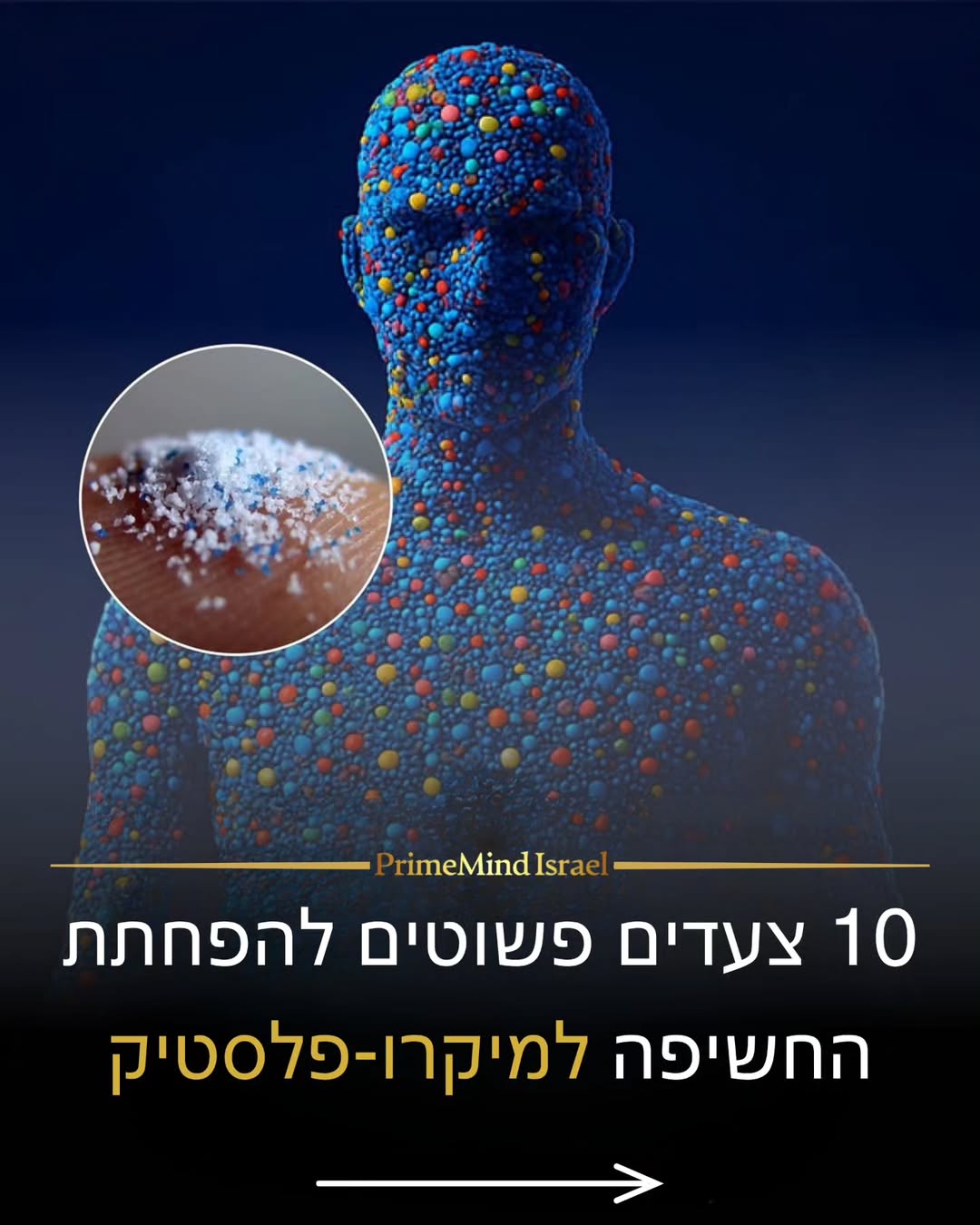
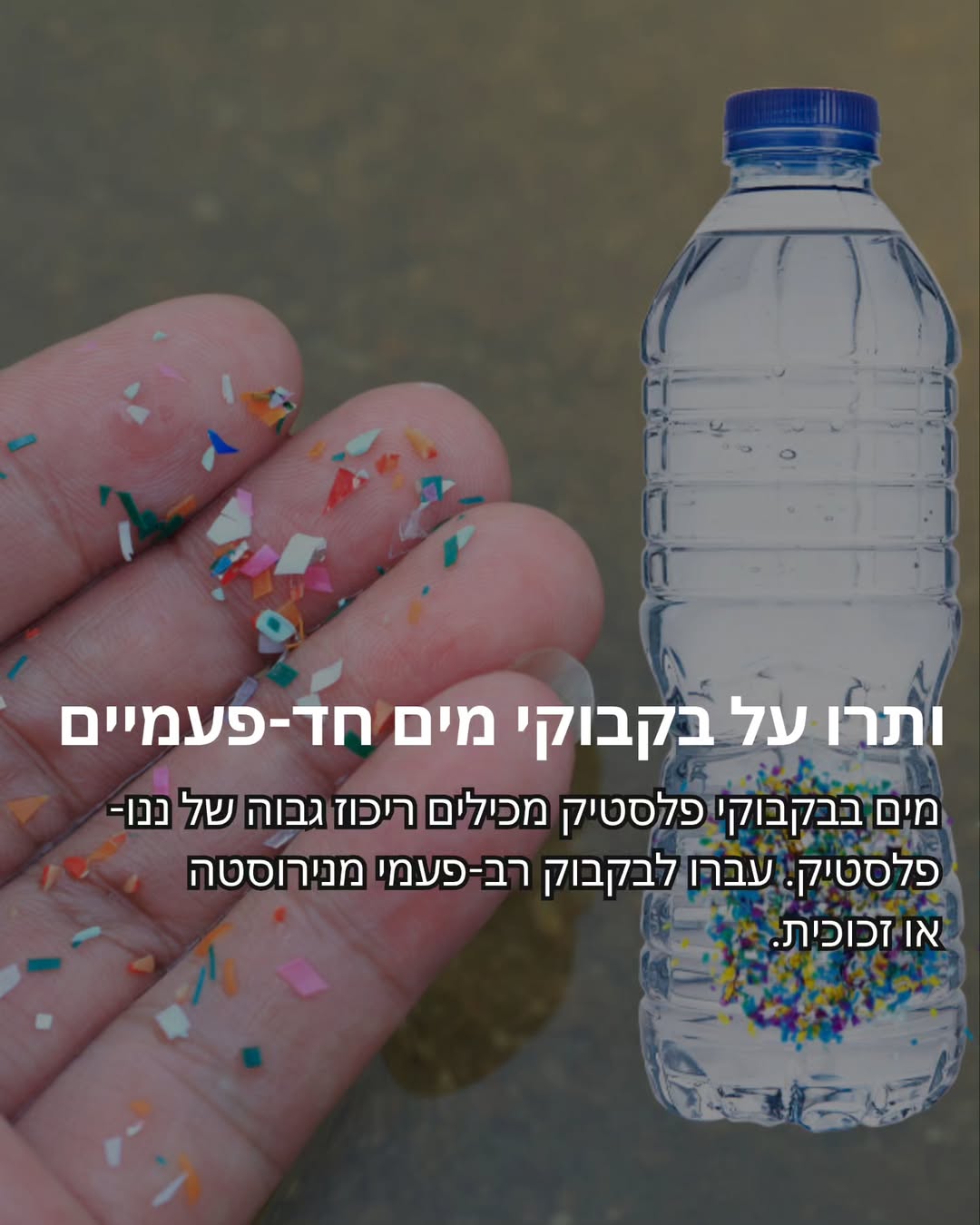
הספרות המדעית מאשרת כי נוכחות מיקרו-פלסטיק בפלאקים עורקיים קשורה לסיכון מוגבר לאירועים קרדיווסקולריים וכי חימום מזון בכלי פלסטיק מגביר את חשיפת האדם לחלקיקים אלו. עם זאת, טענות לגבי ספיגה עורית של סיבי פוליאסטר, יעילות סאונה לניקוי רעלים, והשפעת סיבים תזונתיים על הפחתת ספיגת פלסטיק, נותרות לא מגובות או שנויות במחלוקת בהיעדר מחקרים קליניים מבוססים.
analytics ניתוח טענות מבוסס ראיות
"הזעה מוגברת בסאונה מסייעת לגוף להפריש כימיקלים שמקורם במוצרי פלסטיק, כגון BPA ופתלאטים."
מסקנת הבדיקה:
קיימות עדויות לכך שכימיקלים כמו BPA ניתנים לזיהוי בזיעה, אך אין הסכמה מדעית רחבה על כך שסאונה מהווה אמצעי יעיל או קליני להפחתה משמעותית של ריכוז הכימיקלים הללו בגוף. הראיות הקיימות מוגבלות ואינן מספיקות כדי להמליץ על סאונה כטיפול רפואי לניקוי רעלים. (🟨)
chevron_right מקורות מדעיים: (2)
-
link
A Preliminary Study of Biomonitoring for Bisphenol-A in Human Sweat.
Measurement of human exposure to the endocrine disruptor bisphenol-A (BPA) is hampered by the ubiquitous but transient exposure for most individuals, coupled with a short metabolic half-life which leads to high inter- and intra-individual variability. We investigated the possibility of measuring multiday exposure to BPA in human sweat among volunteer participants with the goal of identifying an exposure assessment method less affected by temporal variability. We recruited 50 participants to wear a sweat collection patch (PharmChek(®)) for 7 days with concurrent collection of daily first-morning urine. Urines and sweat patch extracts were analyzed with quantitative LC-MS-MS using a method we previously validated. In addition, a human volunteer consumed one can of commercially available soup (16 oz, 473 cm(3)) daily for 3 days and collected urine. Sweat patches (n = 2, 1 per arm) were worn for the 3 days of the study. BPA was detected in quality control specimens prepared by fortification of BPA to sweat patches, but was only detected at 5× above average background on three participant patches. Although the highest measured urine BPA concentration was 195 ng/mL for an individual with deliberate exposure, no BPA was detected above background in the corresponding sweat patches. In this preliminary investigation, the use of sweat patches primarily worn on the upper-outer arm did not detect BPA exposures that were documented by urine monitoring. The absence of BPA in sweat patches may be due to several factors, including insufficient quantity of specimen per patch, or extremely low concentrations of BPA in naturally occurring sweat, among others.…
PMID: 26013102
-
link
Biomonitoring and Elimination of Perfluorinated Compounds and Polychlorinated Biphenyls through Perspiration: Blood, Urine, and Sweat Study.
Perfluorinated compounds (PFCs) are man-made organofluorine chemicals manufactured and marketed for their stain-resistant properties. Polychlorinated biphenyls (PCBs) are anthropogenic organochlorine compounds previously used in various industrial and chemical applications prior to being banned in the Western world in the 1970s. Both PFCs and PCBs are persistent contaminants within the human organism and both have been linked to adverse health sequelae. Data is lacking on effective means to facilitate clearance of PFCs and PCBs from the body. Methods. Blood, urine, and sweat were collected from 20 individuals (10 healthy participants and 10 participants with assorted health problems) and analyzed for PFCs and PCBs using high performance liquid chromatography tandem mass spectrometry. Results. Some individual PCB congeners, but not all, were released into sweat at varying concentrations. None of the PFCs found in serum testing appeared to be excreted efficiently into perspiration. Conclusions. Induced perspiration may have some role in facilitating elimination of selected PCBs. Sweat analysis may be helpful in establishing the existence of some accrued PCBs in the human body. Sweating does not appear to facilitate clearance of accrued PFHxS (perfluorohexane sulfonate), PFOS (perfluorooctane sulfonate), or PFOA (perfluorooctanoic acid), the most common PFCs found in the human body.…
PMID: 24083032
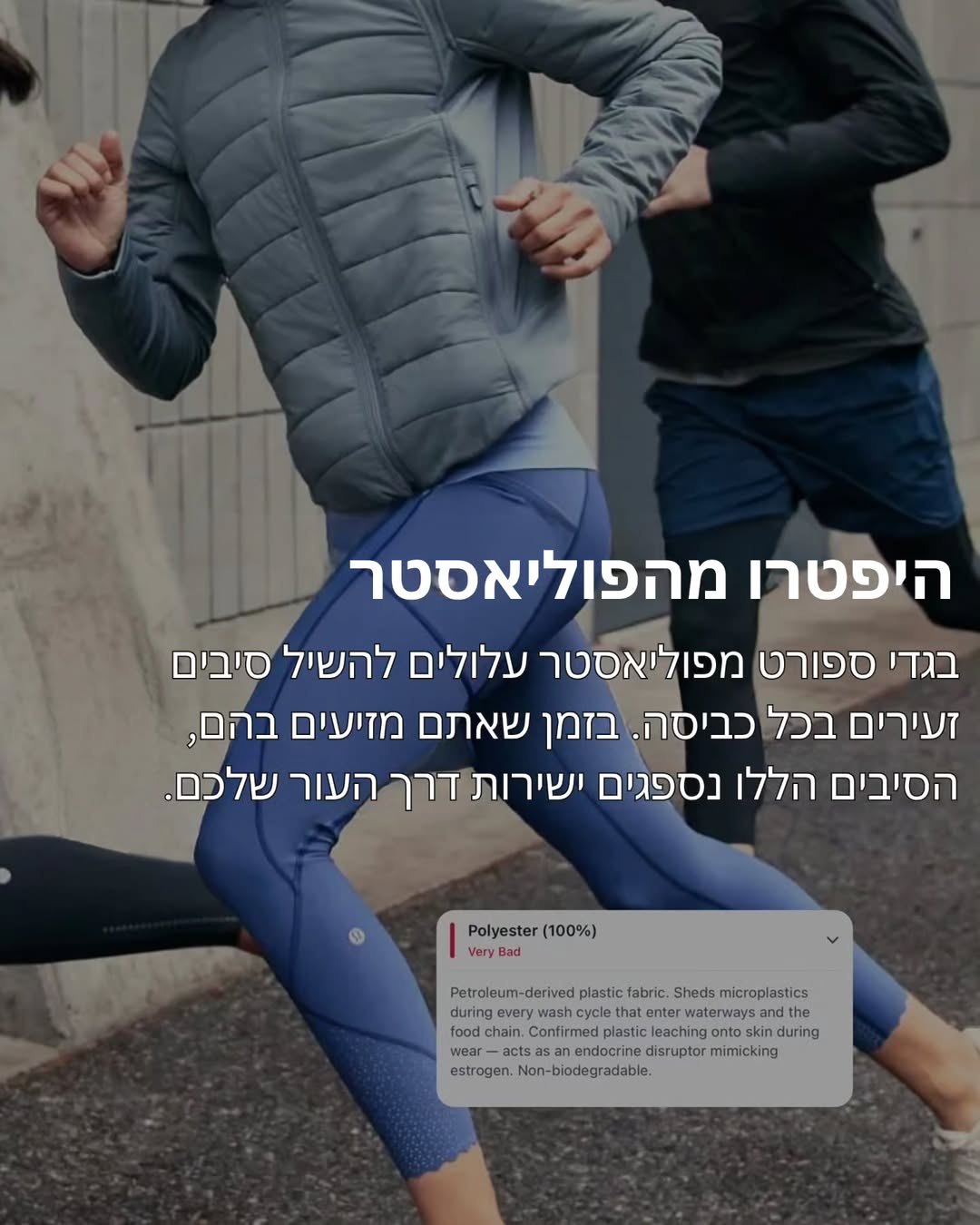
"בגדי פוליאסטר משילים סיבים זעירים הנספגים דרך העור ועלולים לשבש את המערכת ההורמונלית."
מסקנת הבדיקה:
בעוד שסיבי פוליאסטר משילים חלקיקים, אין כיום הוכחות קליניות מוצקות לכך שחלקיקים אלו נספגים דרך העור בכמויות משמעותיות או שהם הגורם הישיר לשיבוש הורמונלי. המנגנונים המוצעים נותרים תיאורטיים ונדרשים מחקרים נוספים לאימות הטענה. (⬜)
"תזונה עשירה בסיבים מזרזת את פעילות המעיים ומקצרת את זמן השהייה של פסולת, מה שעשוי להפחית ספיגת חלקיקי פלסטיק לזרם הדם."
מסקנת הבדיקה:
בעוד שתזונה עשירה בסיבים ידועה כמשפרת את תנועתיות המעיים, לא קיימים מחקרים קליניים ישירים המאששים כי פעולה זו מפחיתה באופן מובהק את ספיגת חלקיקי המיקרו-פלסטיק לזרם הדם בבני אדם. הטענה נשענת על הנחות פיזיולוגיות שטרם הוכחו מחקרית בהקשר הספציפי של מיקרו-פלסטיק. (⬜)
"נוכחות של חלקיקי מיקרו וננו-פלסטיק בפלאקים בעורקים קשורה לעלייה של פי 4.5 בסיכון להתקפי לב, שבץ או מוות."
מסקנת הבדיקה:
מחקר קליני משמעותי (PMID: 38446676) מצא קשר מובהק בין נוכחות מיקרו וננו-פלסטיק בפלאקים עורקיים לבין עלייה של פי 4.5 בסיכון לאירועים קרדיווסקולריים חמורים, כולל התקפי לב ושבץ. (🟩)
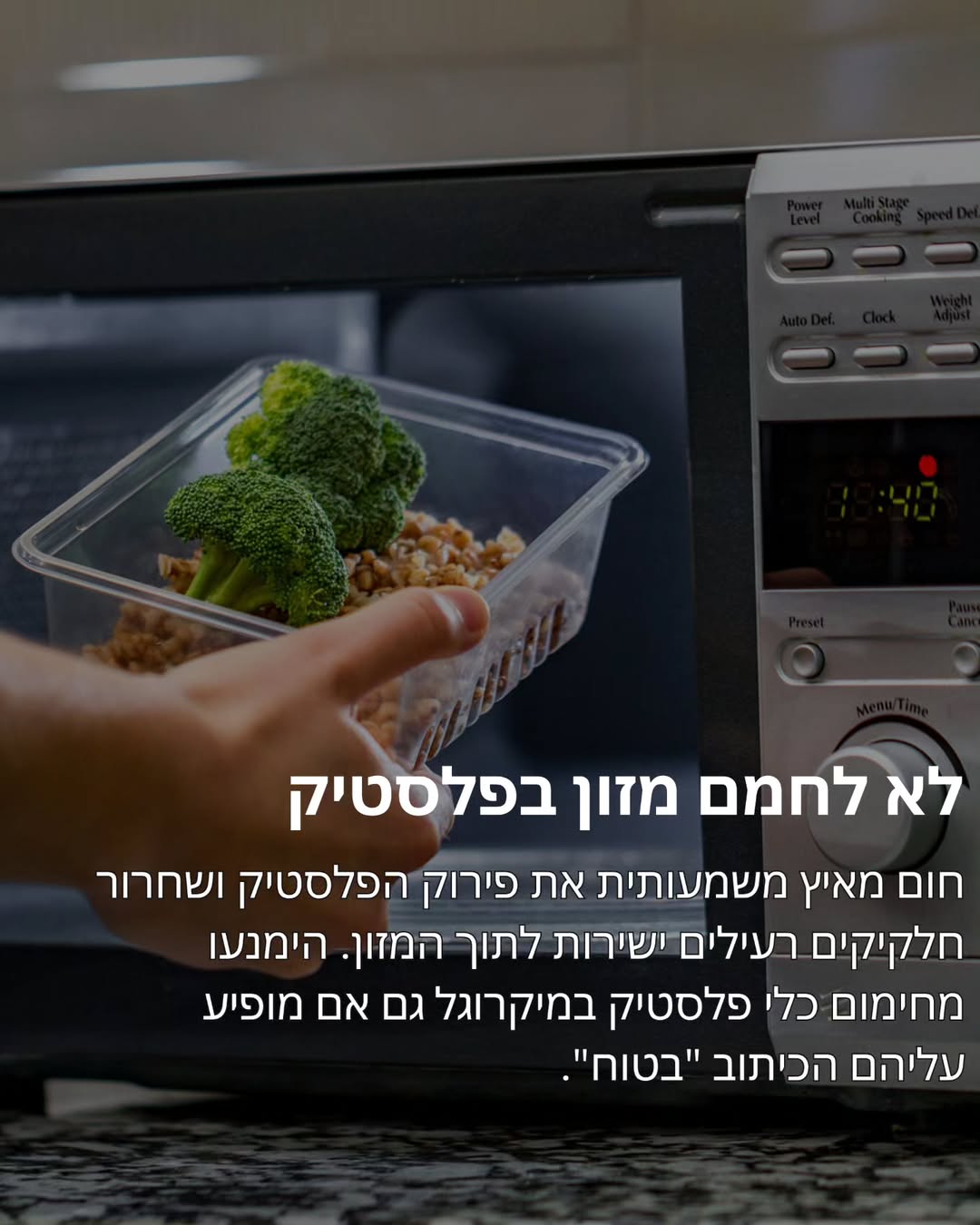
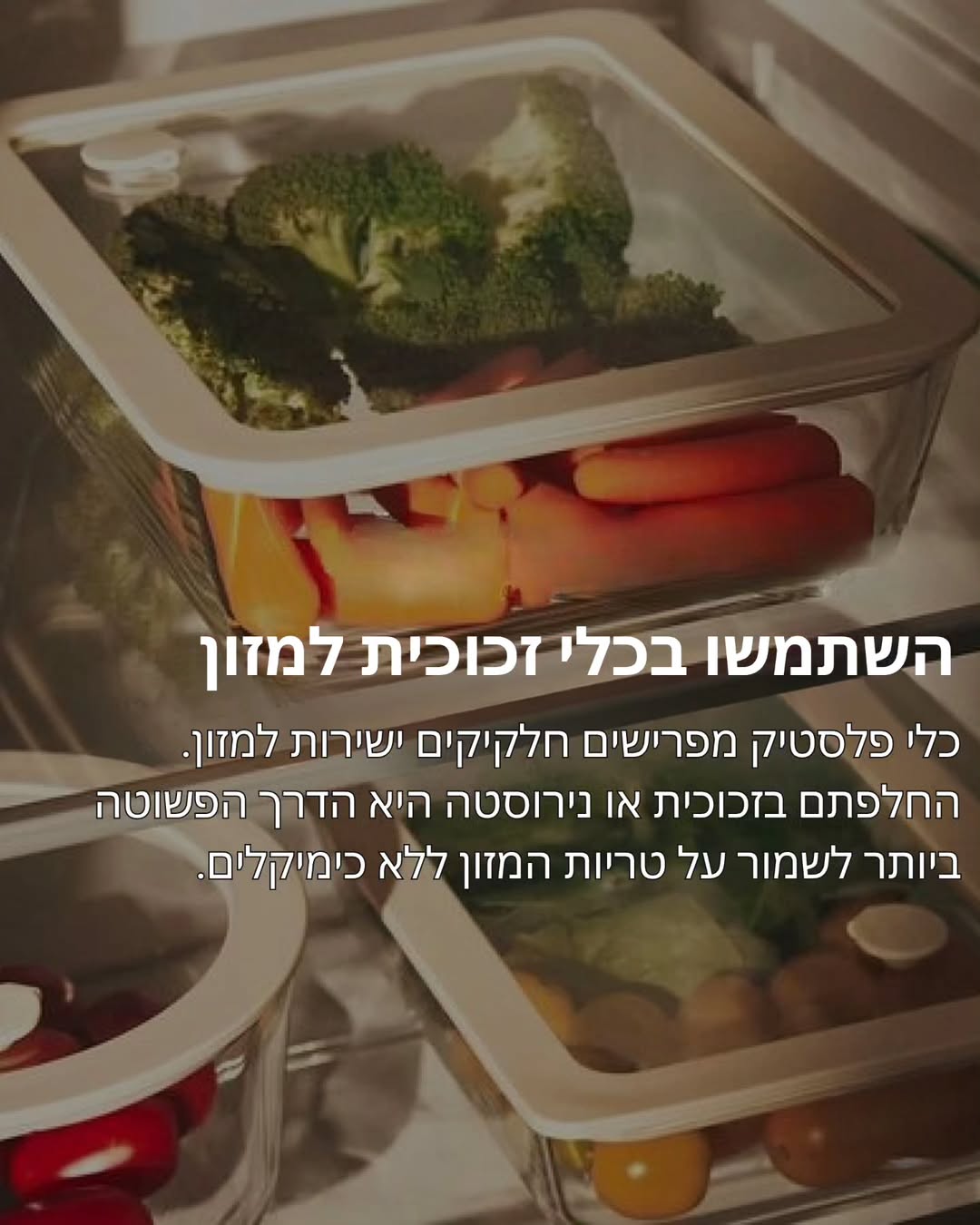
"חימום מזון בכלי פלסטיק מאיץ את פירוק הפלסטיק ושחרור חלקיקים רעילים לתוך המזון."
מסקנת הבדיקה:
מחקרים רבים מאשרים כי חימום מזון בכלי פלסטיק, ובמיוחד במיקרוגל, מאיץ את תהליך הנדידה של חלקיקי מיקרו-פלסטיק וכימיקלים רעילים מהכלי אל תוך המזון. תהליך זה תלוי בטמפרטורה, זמן המגע וסוג הפלסטיק. (🟩)
chevron_right מקורות מדעיים: (3)
-
link
Migration of (non-) intentionally added substances and microplastics from microwavable plastic food containers.
Microwavable plastic food containers (MPFCs) are extensively used for food storage, cooking, rapid heating and as take-out containers. There is an urgent need to investigate whether MPFCs pose potential health risks, as a result of the migration of chemicals into foods. Herein, 42 intentionally added substances (IAS) and > 100 non-IAS (NIAS) migrating from MPFCs were identified in food simulants according to Regulation (EU). The migration of major IAS and NIAS was higher in 95% ethanol compared to other simulants, and gradually decreased following repeated use. NIAS, including Cramer class III toxic compounds, such as PEG oligomers of N,N-bis(2-hydroxyethyl) alkyl(C8-C18)amines, isomers of hexadecanamide and oleamide, and Irgafos 168 OXO were detected and exceeded the recommended limits in some MPFCs. Furthermore, microplastics (MPs) were detected with high values of over one million particles/L in some MPFCs in a single test, and migration behaviors of MPs in different MPFCs were diverse. Surprisingly, this rigorous migration might result in an annual intake of IAS/NIAS up to 55.15 mg and 150 million MPs particles if take-out food was consumed once a day. Multi-safety evaluation studies on the migration of various chemicals from MPFCs to foodstuffs during food preparation should be assessed.…
PMID: 34015709
-
link
Risk assessment of silver and microplastics release from antibacterial food containers under conventional use and microwave heating.
The evaluation of the migration of ionic silver and nanoparticulated silver (AgNPs) from antimicrobial plastic packaging to food is crucial to ensure its safety. Migration assays were performed on reusable silver-containing polypropylene (PP) food containers and a silicone baby bottle, using food simulants, under conventional or microwave heating and repeated use. The PP containers released significant amounts of silver, increasing with temperature, contact time, acidity and lower crystallinity. Silver migration in the silicone bottle was much lower. Risk assessment of released silver was done considering European authorities safety recommendations, with some containers far exceeding these levels. No significant AgNPs release was detected in the simulants by single particle-ICPMS. Silver-containing microplastics and silicone microparticles were detected by SEM in the food simulants after the migration assays. Consumers may be continuously exposed to the harmful effects of ionic silver and microplastics, which can potentially lead to health issues.…
PMID: 37060672
-
link
Human intake assessment of triclosan associated with the daily use of polypropylene-made antimicrobial food packaging.
In this work, we aimed to evaluate human intake of triclosan (TCS) associated with real-life use of different brands of Microban™ microwave-safe food packaging. Calculations were based on: TCS migration data (under the worst-case foreseeable conditions), MPs abundance and TCS bioaccessibility from microplastics (MPs), leached from containers under microwave heating. Bioaccessibility studies were performed with in vitro digestion of MPs, followed by liquid-liquid extraction of TCS from digestive fluids and LC-QqQ-MS analysis yielding values of 46 ± 9%. The estimated weekly intake (EWI) of TCS ranged between 11 and 42 μg/kg body weight/week, with migration being the largest contribution (0.6-2.3 mg/week), compared to leaching of MPs (75-300 μg/week). These values represent a significant source of human exposure to TCS, emphasizing the need to harmonize the ban of TCS in food contact materials worldwide and improve compliance testing of food contact articles, particularly those marketed through online sales platforms.…
PMID: 38678648

PrimeMind - פריים מיינד
דירוג זה מבוסס על 1 דוחות אימות קודמים.





האם הדוח הזה היה מועיל לך?
מה היה פחות טוב? (רשות)
תודה על הפידבק!
עירעור על דוח זה
ספקו ראיות חדשות או הצביעו על אי דיוקים
נעדכן אותך על תוצאות הבדיקה
הוסיפו קישורים למחקרים או מקורות רפואיים מוכרים
העירעור נשלח בהצלחה!
המנוע המדעי שלנו יבדוק את הראיות שהגשתם. נעדכן אתכם באימייל עם התוצאות.
ניתוח מבוסס בינה מלאכותית
דוח זה נוצר באופן אוטומטי על ידי מערכת בינה מלאכותית ועשוי להכיל שגיאות, אי-דיוקים או מידע חלקי. הניתוח אינו מהווה ייעוץ רפואי, אבחנה או המלצה לטיפול, והוא אינו תחליף לדעתו של איש מקצוע רפואי מוסמך. יש להתייעץ עם רופא או מומחה מוסמך לפני קבלת כל החלטה רפואית. המידע מוצג לצרכי מידע כללי בלבד.
מידע זה מופק על ידי בינה מלאכותית ואינו מהווה תחליף לייעוץ רפואי מקצועי.