סריקה בתהליך...
הניתוח עשוי לארוך 30–90 שניות
הידעת?
הסרטון אינו מכיל תוכן רפואי
חושבים שחלה טעות?
אם לדעתכם הסרטון אכן עוסק בטענות רפואיות או בריאותיות, הוסיפו הסבר קצר ושלחו בקשה לבדיקה מחדש.
הבקשה התקבלה! נבדוק את הסרטון ונחזור אליכם.
אירעה שגיאה בשליחת הבקשה. נסו שוב.
דו״ח מאומת
הסרטון מציג מידע מדויק ומגובה במחקרים מדעיים אמינים.
סיכום
הטענות שהועלו עולות בקנה אחד עם הקונצנזוס המדעי בתחום התזונה. הספרות המקצועית מאששת כי צפיפות תזונתית היא מדד מהימן לאיכות המזון, וכי צריכת מזונות עשירים ברכיבים חיוניים תורמת באופן מובהק לבריאות הכללית ולמניעת מחלות.
analytics ניתוח טענות מבוסס ראיות
"בחירת מזונות בעלי צפיפות תזונתית גבוהה היא הדרך היעילה ביותר לשיפור התזונה."
מסקנת הבדיקה:
הספרות המדעית תומכת בכך שמדדי צפיפות תזונתית (Nutrient Density) הם כלי מרכזי להערכת איכות התזונה ושיפור הבריאות, שכן הם מסייעים בזיהוי מזונות המספקים ערכים תזונתיים גבוהים ביחס לערכם הקלורי. (🟩)
chevron_right מקורות מדעיים: (3)
-
link
Putting the nutrient-rich foods index into practice.
With approximately 2 out of 3 Americans currently overweight or obese, many continue to come up short on recommendations for certain nutrients such as calcium, magnesium, potassium, vitamin A, vitamin C, vitamin E, and fiber in their diet. Numerous attempts have been made to provide consumers with nutrient-profiling tools, such as manufacturer-specific symbols, to improve dietary selections, but many of the tools have focused on assisting consumers in making single food selections and do not provide guidance about planning total diets. In response to the 2005 Dietary Guidelines Advisory Committee's recommendation for research to define nutrient density, the Nutrient Rich Foods Coalition (NRFC) embarked on the development of a scientifically valid definition of nutrient density and consumer-driven educational tools to communicate the concept of nutrient-rich foods (NRF) to consumers. The science-based, consumer-driven NRF approach to eating may help Americans make multiple small changes in their diet that ultimately lead to better diet quality and significant improvements in public health.…
PMID: 20368383
-
link
Nutrient density: principles and evaluation tools.
Nutrient profiling is the technique of rating or classifying foods on the basis of their nutritional value. Foods that supply relatively more nutrients than calories are defined as nutrient dense. Nutrient profile models calculate the content of key nutrients per 100 g, 100 kcal, or per serving size of food. For maximum effectiveness, nutrient profile models need to be transparent, based on publicly accessible nutrient composition data, and validated against independent measures of a healthy diet. These rigorous scientific standards were applied to the development of the Nutrient-Rich Foods (NRF) family of nutrient profile models. First, the NRF models included nutrients to encourage as well as nutrients to limit. Second, NRF model performance was repeatedly tested against the Healthy Eating Index (HEI), an independent measure of a healthy diet. HEI values were calculated for participants in the 1999-2002 NHANES. Models based on 100 kcal and serving sizes performed better than those based on 100 g. Formulas based on sums and means performed better than those based on ratios. The final NRF9.3 index was based on 9 beneficial nutrients (protein; fiber; vitamins A, C, and E; calcium; iron; potassium; and magnesium) and on 3 nutrients to limit (saturated fat, added sugar, and sodium). Higher NRF9.3 scores were associated with lower energy density and more nutrient-rich diets. The nutrient density of foods, paired with a comprehensive program of consumer education, can become the foundation of dietary recommendations and guidelines.…
PMID: 24646818
-
link
The Nutrient Rich Foods Index helps to identify healthy, affordable foods.
The Nutrient Rich Foods (NRF) Index is a formal scoring system that ranks foods on the basis of their nutrient content. When used in conjunction with a food prices database, it can help identify foods that are both nutritious and affordable. Our aim was to identify healthy, affordable foods and food groups by using the NRF index and US Department of Agriculture (USDA) nutrient composition and food prices data sets. Foods in the USDA Food and Nutrition Database for Dietary Studies 1.0 were scored by using the NRF index. This NRF algorithm was represented by the sum of the percentage of the daily values of 9 nutrients to encourage (protein, fiber, vitamin A, vitamin C, vitamin E, calcium, iron, magnesium, and potassium) minus the sum of the percentage of the maximum recommended values for 3 nutrients to limit (saturated fat, added sugar, and sodium). NRF scores and mean national food prices were calculated per calorie and per US Food and Drug Administration-defined serving. Each of the 9 USDA food groups offered foods of diverse nutritive value and cost. Eggs, dry beans and legumes, and meat and milk products were the lowest-cost sources of protein. Milk and milk products were the lowest-cost sources of calcium, whereas vegetables and fruit were the lowest-cost sources of vitamin C. Milk, potatoes, citrus juices, cereals, and beans had more favorable overall nutrient-to-price ratios than did many vegetables and fruit. Energy-dense grains, sweets, and fats provided most of the calories but fewer nutrients per dollar. One important application of nutrient profile models is to help consumers identify foods that provide optimal nutrition at an affordable cost.…
PMID: 20181811
"צריכת מזונות עשירים ברכיבים תזונתיים תורמת לבריאות הלב, המוח, מערכת העיכול, המערכת החיסונית, רמות האנרגיה והתאוששות הגוף."
מסקנת הבדיקה:
מחקרים רבים מצביעים על קשר ישיר בין איכות התזונה לבין תפקוד מערכות הגוף השונות, כולל בריאות קרדיו-מטבולית, תפקוד קוגניטיבי ותמיכה במערכת החיסון, תוך הדגשת החשיבות של רכיבים תזונתיים למניעת הזדקנות מואצת ומחלות כרוניות. (🟩)
chevron_right מקורות מדעיים: (3)
-
link
Socioeconomic disparities and nutritional aging: how food insecurity and financial hardship accelerate health decline in older adults.
This narrative review examines how socioeconomic disparities accelerate health decline in older adults. As the global population ages, older age represents a major risk factor for chronic diseases, frailty, and disability, particularly in socially disadvantaged groups. While adequate nutrition is essential to healthy aging, approximately 28% of the global population experiences moderate or severe food insecurity, with older adults disproportionately affected in resource-limited settings. Food insecurity and financial hardship are consistently associated with poorer diet quality, including lower Healthy Eating Index scores (e.g., ~51 vs. >57 in food-secure peers), and increased risk of adverse outcomes such as sarcopenia, frailty, and cognitive decline. Notably, food-insecure older adults are also more likely to experience overweight or obesity (OR ≈ 1.29), reflecting reliance on energy-dense, nutrient-poor diets. These disparities are shaped by structural and socioeconomic factors, including low income, limited education, inadequate social safety nets, and inequitable neighborhood food environments. Addressing these challenges requires a shift from individual-level interventions to systemic, interdisciplinary, and culturally-tailored approaches.…
PMID: 42339354
-
link
Ultra-processed foods and accelerated aging in adults: an emerging public health challenge for nutrition and functional health.
Ultra-processed foods (UPFs) intake has rapidly increased in global diets, posing a mounting threat to nutritional adequacy and functional health in adults. This narrative review summarizes recent evidence on the relationship between UPF consumption and functional decline, including sarcopenia and reduced handgrip strength, and potential biological mechanisms underlying the detrimental effects of high UPF consumption and aging processes. We examined epidemiological studies, clinical trials, and mechanistic research and evaluated the effectiveness and limitations of mitigation strategies, such as product reformulation, front-of-pack labeling, pricing policies, and community-based nutrition programs. Consistent evidence indicates that higher UPF intake is associated with a greater risk of micronutrient inadequacy, low-grade systemic inflammation and oxidative damage, measurable advances in biological age relative to chronological age, and higher risk of functional impairment. Although evidence linking UPF consumption with health and aging outcomes is steadily increasing, several gaps remain, including the underrepresentation of low- and middle-income settings, the lack of long-term intervention trials with aging and functional endpoints, the heterogeneous assessment of UPFs, and the limited use of mechanistic biomarkers and "omics" approaches in population studies. We suggest an interdisciplinary research approach that combines nutritional epidemiology with validated aging outcomes. In parallel, practical policy measures should prioritize minimally processed foods, fortify regulatory frameworks, and customize community and clinical interventions to meet the needs of older adults, thereby safeguarding healthy aging.…
PMID: 42095227
-
link
Early Biomarkers, Risk Factors, and Functional Indicators of Healthy Longevity and Their Relationship with Diet.
<b>Background/Objectives:</b> Healthy longevity depends on not only lifespan but also the maintenance of physiological, metabolic, physical, and cognitive functions throughout aging. Identifying early determinants of health is crucial for preventing age-related decline. This narrative review aims to synthesize current evidence on how diet and specific nutrients relate to these early risk factors and indicators of healthy longevity. <b>Methods:</b> A review was performed to identify the links between dietary factors, energy balance, and gut microbiota composition and normal body weight; blood cholesterol, pressure, and glucose; healthy sleep; an active lifestyle; and normal physical function and cognitive performance. Particular attention was given to Mediterranean and other plant-based dietary models as sources of key nutrients. Evidence from observational studies, randomized controlled trials, and meta-analyses was considered. <b>Results:</b> Across all markers, dietary quality and nutrient adequacy emerged as consistent determinants of health outcomes. Key nutrients were associated with favorable cardiometabolic, cognitive, and musculoskeletal functions, such as omega-3 fatty acids, fiber, vitamins D and B, minerals like magnesium and potassium, and polyphenols. Common nutrition gaps included insufficient intake of fiber, unsaturated fats, and micronutrients, which was often linked to a shift toward less plant-based diets. Gut microbiota diversity may mediate several of these associations, influencing metabolism, inflammation, sleep quality, and cognitive performance, although inter-individual variability and causal pathways remain incompletely understood. <b>Conclusions:</b> An integrated dietary approach emphasizing the consumption of whole and plant-rich foods, with moderate amounts of animal foods, supports multiple early markers, risk factors, and indicators of healthy longevity. The modulation of the gut microbiota through plant-based diets and fermented foods represents a promising strategy for maintaining health across aging trajectories.…
PMID: 42280310
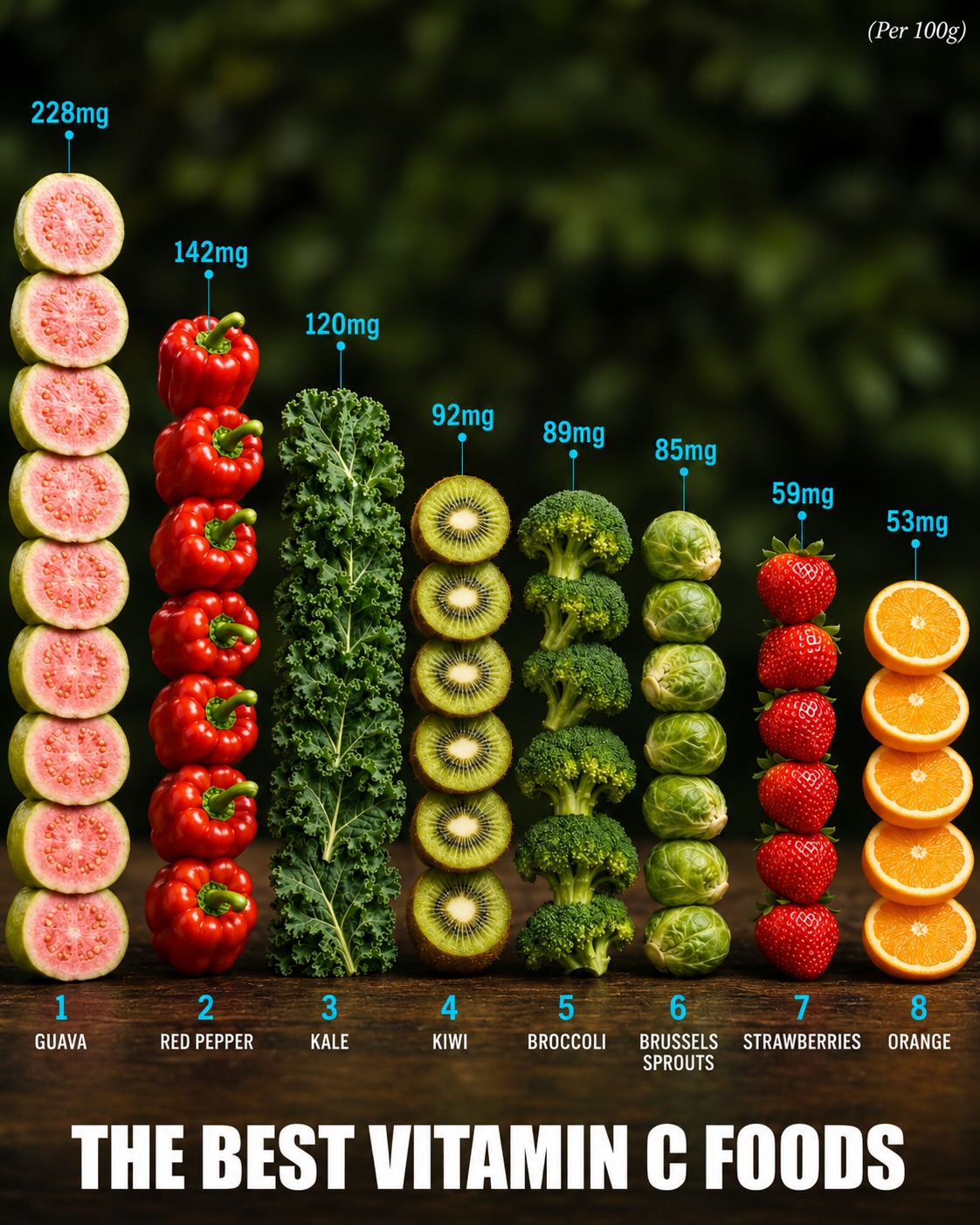
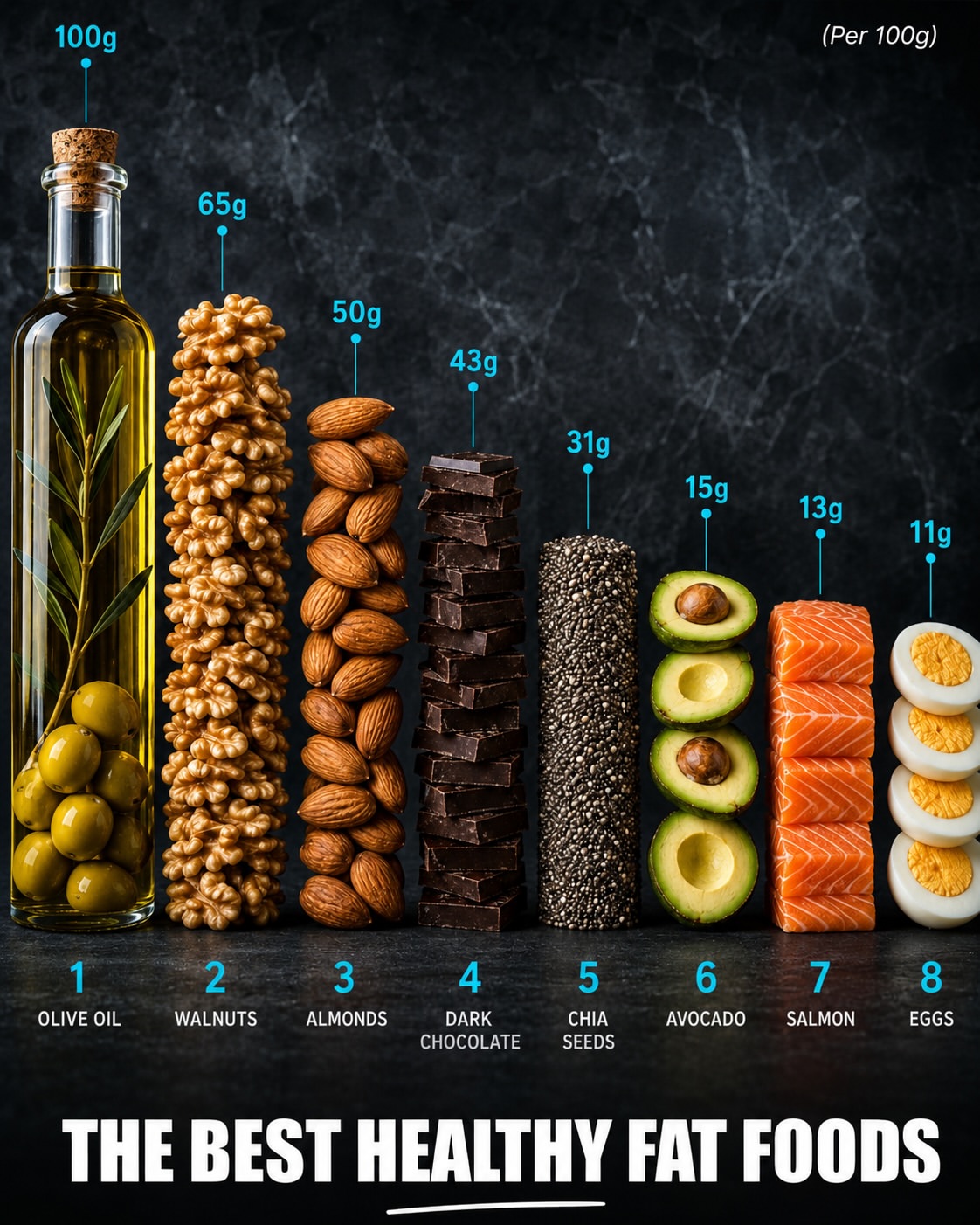
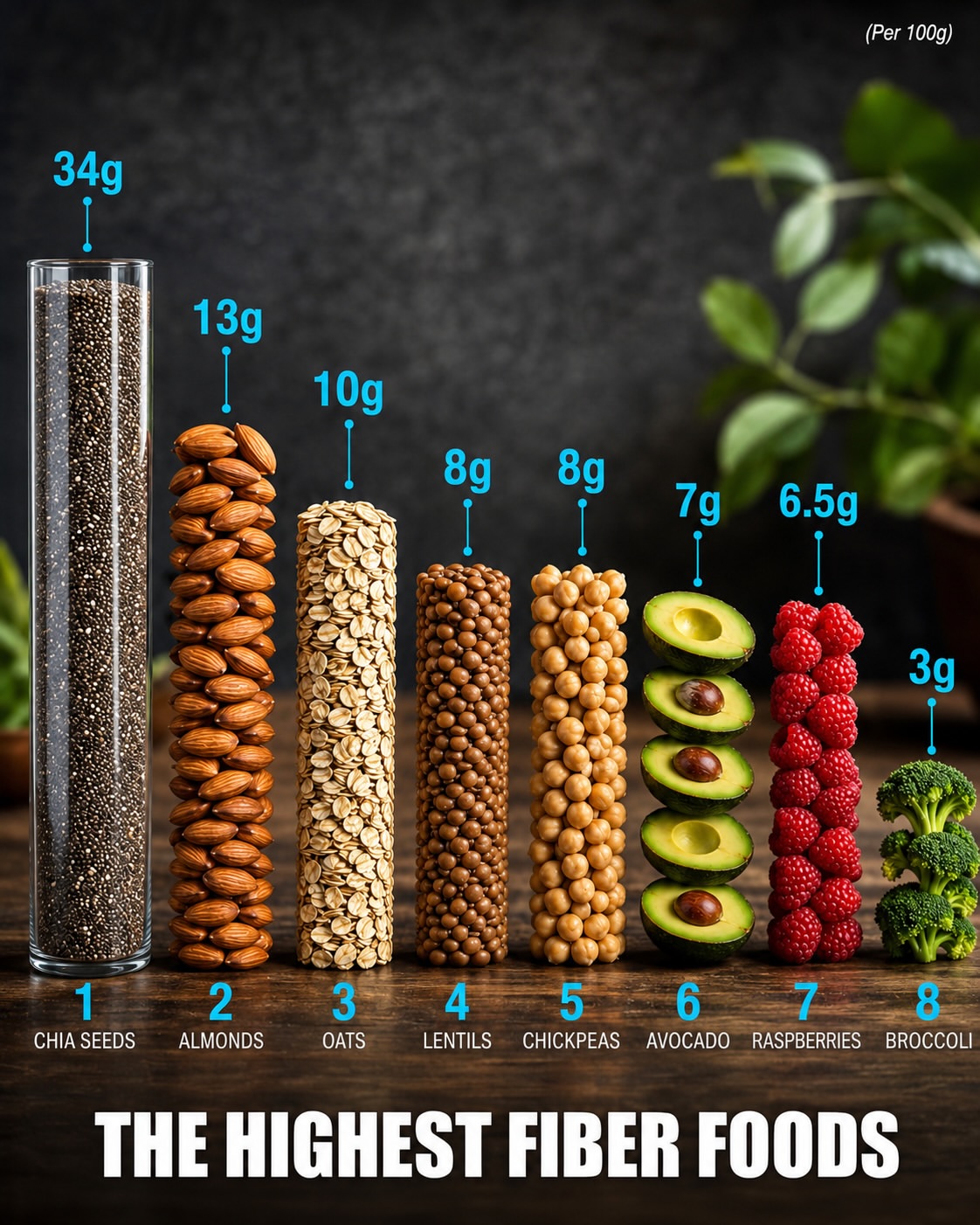
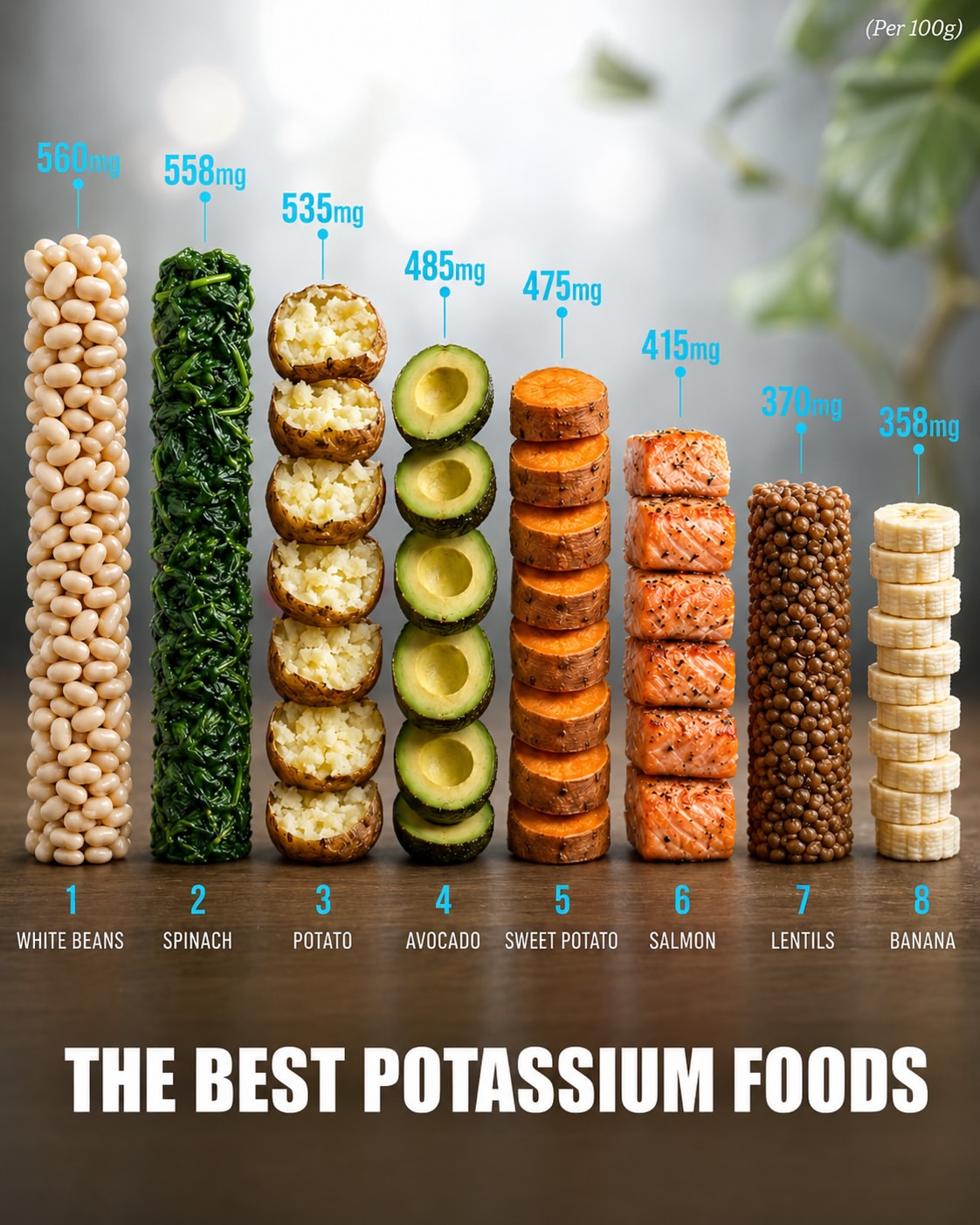
"מזונות מסוימים מכילים ריכוזים גבוהים של רכיבים חיוניים כמו אשלגן, ויטמין C וסיבים תזונתיים."
מסקנת הבדיקה:
קיימת הסכמה מדעית רחבה כי מזונות מסוימים, כגון קטניות, פירות וירקות, מהווים מקורות עשירים לרכיבים תזונתיים חיוניים כגון אשלגן, ויטמין C וסיבים תזונתיים, וכי אלו מהווים אבני בניין בסיסיות בתזונה בריאה. (🟩)
chevron_right מקורות מדעיים: (3)
-
link
Putting the nutrient-rich foods index into practice.
With approximately 2 out of 3 Americans currently overweight or obese, many continue to come up short on recommendations for certain nutrients such as calcium, magnesium, potassium, vitamin A, vitamin C, vitamin E, and fiber in their diet. Numerous attempts have been made to provide consumers with nutrient-profiling tools, such as manufacturer-specific symbols, to improve dietary selections, but many of the tools have focused on assisting consumers in making single food selections and do not provide guidance about planning total diets. In response to the 2005 Dietary Guidelines Advisory Committee's recommendation for research to define nutrient density, the Nutrient Rich Foods Coalition (NRFC) embarked on the development of a scientifically valid definition of nutrient density and consumer-driven educational tools to communicate the concept of nutrient-rich foods (NRF) to consumers. The science-based, consumer-driven NRF approach to eating may help Americans make multiple small changes in their diet that ultimately lead to better diet quality and significant improvements in public health.…
PMID: 20368383
-
link
The Nutritional Value and Health Benefits of Chickpeas and Hummus.
The 2015-2020 Dietary Guidelines for Americans advocate for increasing vegetable intake and replacing energy-dense foods with those that are nutrient-dense. Most Americans do not eat enough vegetables, and particularly legumes, each day, despite their well-established benefits for health. Traditional hummus is a nutrient-dense dip or spread made from cooked, mashed chickpeas, blended with tahini, olive oil, lemon juice, and spices. Consumers of chickpeas and/or hummus have been shown to have higher nutrient intakes of dietary fiber, polyunsaturated fatty acids, vitamin A, vitamin E, vitamin C, folate, magnesium, potassium, and iron as compared to non-consumers. Hummus consumers have also been shown to have higher Healthy Eating Index 2005 (HEI-2005) scores. This may be, in part, due to hummus' higher Naturally Nutrient Rich (NNR) score as compared to other dips and spreads. Emerging research suggests that chickpeas and hummus may play a beneficial role in weight management and glucose and insulin regulation, as well as have a positive impact on some markers of cardiovascular disease (CVD). Raw or cooked chickpeas and hummus also contain dietary bioactives such as phytic acid, sterols, tannins, carotenoids, and other polyphenols such as isoflavones, whose benefits may extend beyond basic nutrition requirements of humans. With chickpeas as its primary ingredient, hummus-and especially when paired with vegetables and/or whole grains-is a nutritious way for Americans to obtain their recommended servings of legumes. This manuscript reviews the nutritional value and health benefits of chickpeas and hummus and explores how these foods may help improve the nutrient profiles of meals.…
PMID: 27916819
-
link
The Nutrient Rich Foods Index helps to identify healthy, affordable foods.
The Nutrient Rich Foods (NRF) Index is a formal scoring system that ranks foods on the basis of their nutrient content. When used in conjunction with a food prices database, it can help identify foods that are both nutritious and affordable. Our aim was to identify healthy, affordable foods and food groups by using the NRF index and US Department of Agriculture (USDA) nutrient composition and food prices data sets. Foods in the USDA Food and Nutrition Database for Dietary Studies 1.0 were scored by using the NRF index. This NRF algorithm was represented by the sum of the percentage of the daily values of 9 nutrients to encourage (protein, fiber, vitamin A, vitamin C, vitamin E, calcium, iron, magnesium, and potassium) minus the sum of the percentage of the maximum recommended values for 3 nutrients to limit (saturated fat, added sugar, and sodium). NRF scores and mean national food prices were calculated per calorie and per US Food and Drug Administration-defined serving. Each of the 9 USDA food groups offered foods of diverse nutritive value and cost. Eggs, dry beans and legumes, and meat and milk products were the lowest-cost sources of protein. Milk and milk products were the lowest-cost sources of calcium, whereas vegetables and fruit were the lowest-cost sources of vitamin C. Milk, potatoes, citrus juices, cereals, and beans had more favorable overall nutrient-to-price ratios than did many vegetables and fruit. Energy-dense grains, sweets, and fats provided most of the calories but fewer nutrients per dollar. One important application of nutrient profile models is to help consumers identify foods that provide optimal nutrition at an affordable cost.…
PMID: 20181811

Funny & Relatable Memes!
דירוג זה מבוסס על 1 דוחות אימות קודמים.
האם הדוח הזה היה מועיל לך?
מה היה פחות טוב? (רשות)
תודה על הפידבק!
עירעור על דוח זה
ספקו ראיות חדשות או הצביעו על אי דיוקים
נעדכן אותך על תוצאות הבדיקה
הוסיפו קישורים למחקרים או מקורות רפואיים מוכרים
העירעור נשלח בהצלחה!
המנוע המדעי שלנו יבדוק את הראיות שהגשתם. נעדכן אתכם באימייל עם התוצאות.
ניתוח מבוסס בינה מלאכותית
דוח זה נוצר באופן אוטומטי על ידי מערכת בינה מלאכותית ועשוי להכיל שגיאות, אי-דיוקים או מידע חלקי. הניתוח אינו מהווה ייעוץ רפואי, אבחנה או המלצה לטיפול, והוא אינו תחליף לדעתו של איש מקצוע רפואי מוסמך. יש להתייעץ עם רופא או מומחה מוסמך לפני קבלת כל החלטה רפואית. המידע מוצג לצרכי מידע כללי בלבד.
מידע זה מופק על ידי בינה מלאכותית ואינו מהווה תחליף לייעוץ רפואי מקצועי.