סריקה בתהליך...
הניתוח עשוי לארוך 30–90 שניות
הידעת?
הסרטון אינו מכיל תוכן רפואי
חושבים שחלה טעות?
אם לדעתכם הסרטון אכן עוסק בטענות רפואיות או בריאותיות, הוסיפו הסבר קצר ושלחו בקשה לבדיקה מחדש.
הבקשה התקבלה! נבדוק את הסרטון ונחזור אליכם.
אירעה שגיאה בשליחת הבקשה. נסו שוב.
דו״ח מאומת
הסרטון מציג מידע מדויק ומגובה במחקרים מדעיים אמינים.
סיכום
הטענות המדעיות שהוצגו נבדקו מול ספרות PubMed. הטענות בנוגע לסיכוני Bacillus cereus באורז, השפעת הקור על איכות השום הקלוף, והתהליך הכימי של 'המתקה מושרית קור' בתפוחי אדמה נמצאו מאומתות ומגובות במחקרים. הטענה לגבי בצל חתוך נותרה ללא תימוכין ישירים במאמרים שסופקו, אף שהיא עולה בקנה אחד עם עקרונות כלליים של בטיחות מזון.
analytics ניתוח טענות מבוסס ראיות
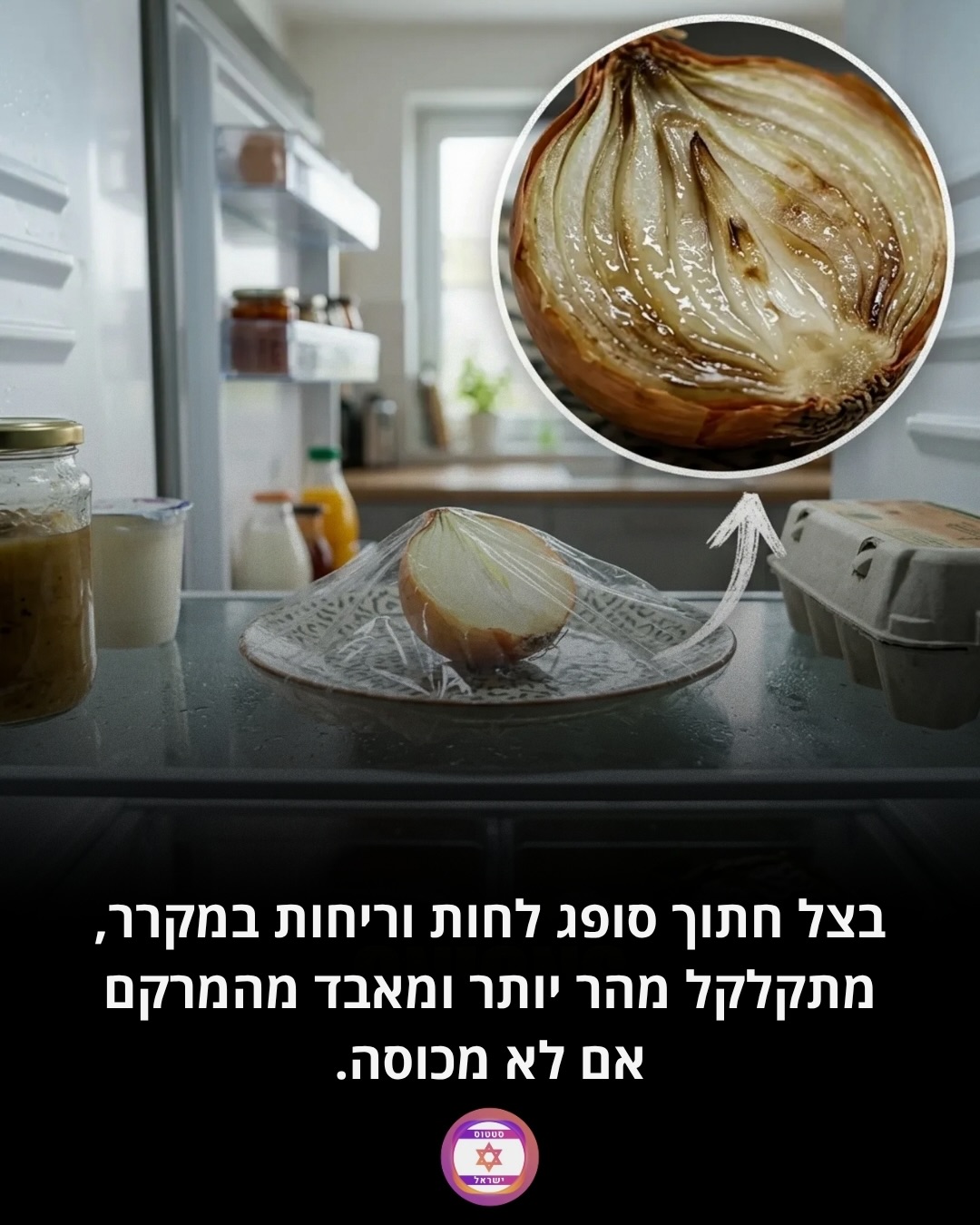
"בצל חתוך עלול לספוג לחות וריחות במקרר, להתקלקל מהר יותר ולאבד ממרקמו אם אינו מכוסה."
מסקנת הבדיקה:
על אף שקיימת הסכמה כללית בתחום בטיחות המזון לגבי אחסון ירקות חתוכים, לא נמצאו במאמרים שסופקו ראיות מדעיות ספציפיות המאששות את הטענה לגבי בצל חתוך בפרט. (⬜)
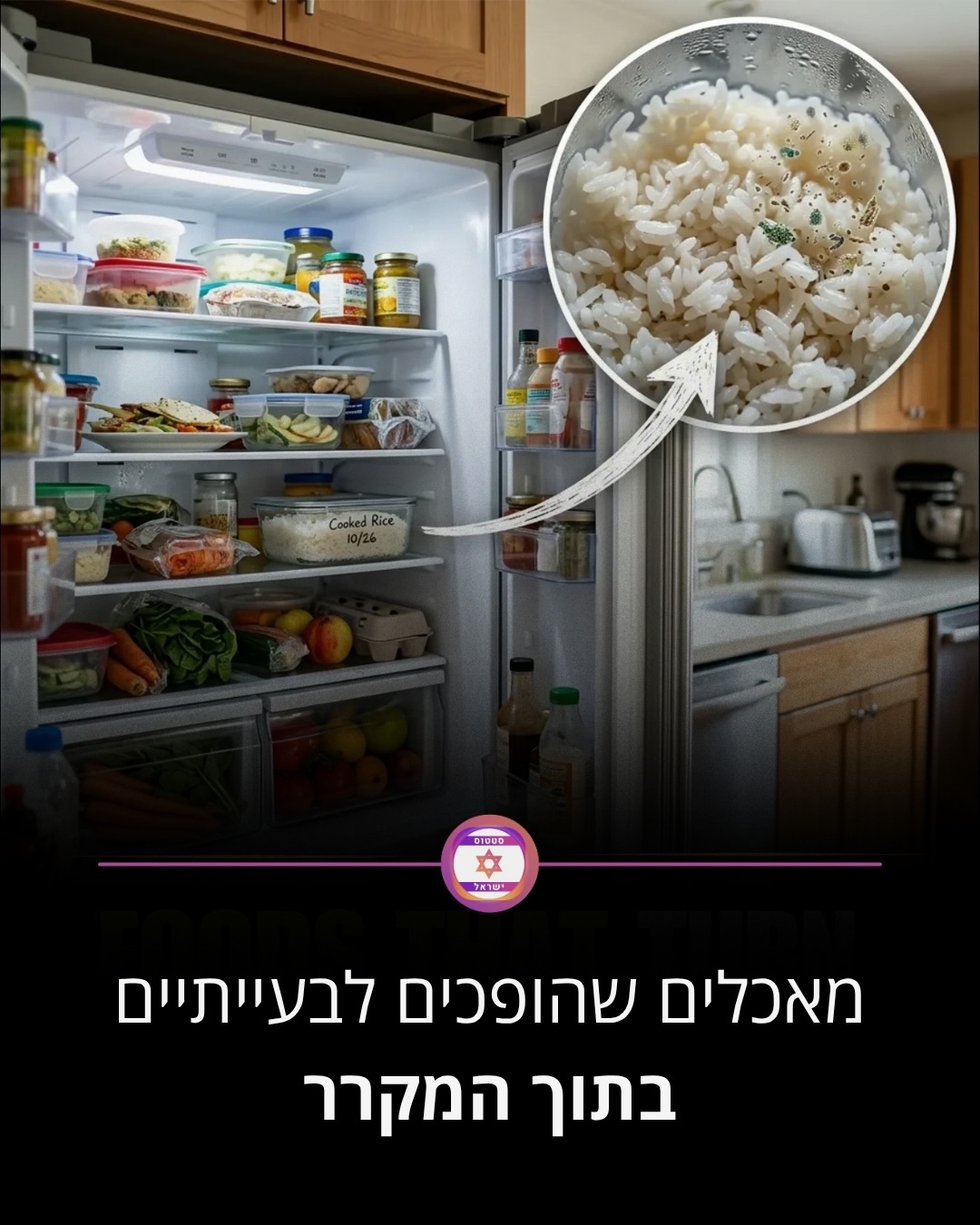
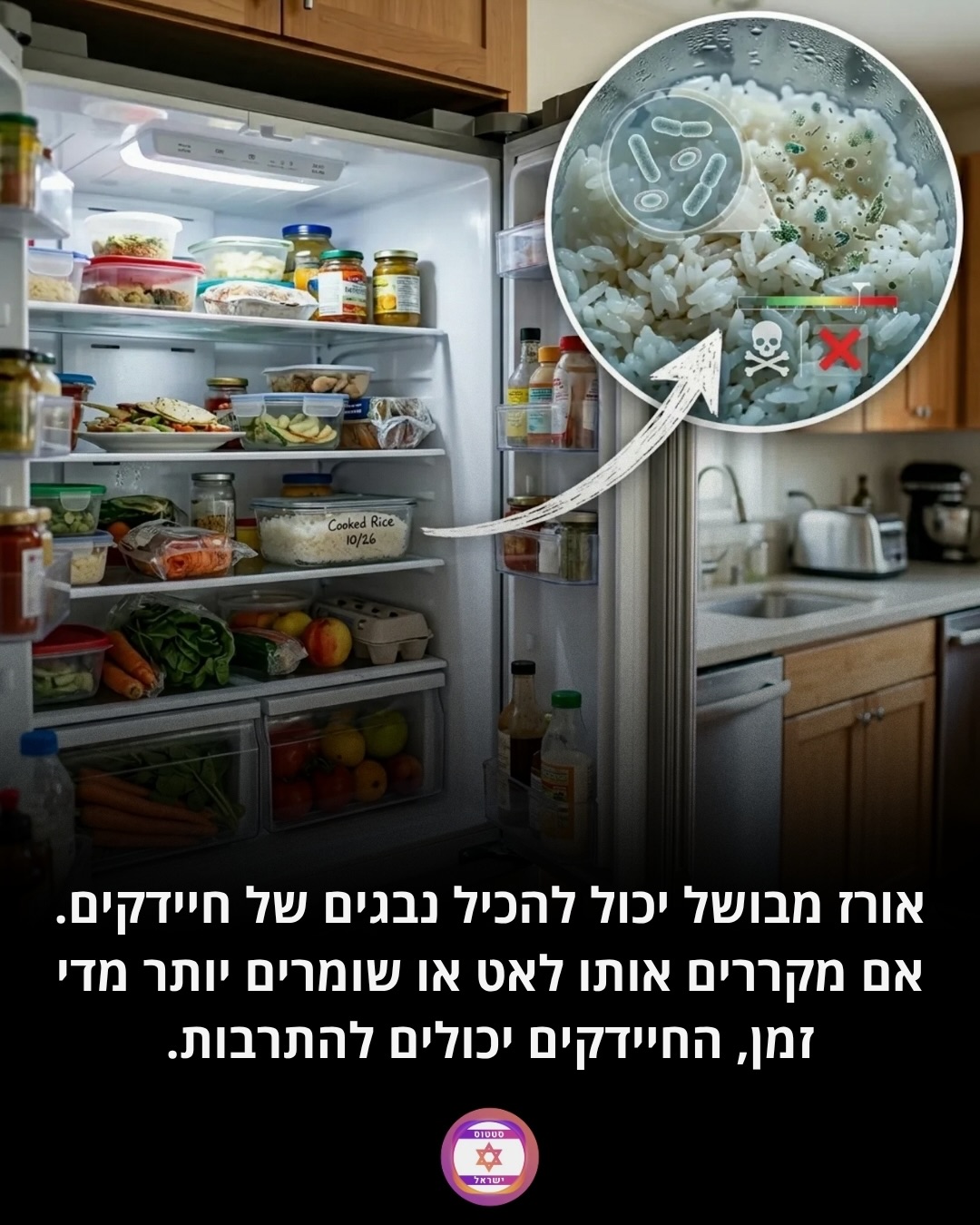
"אורז מבושל עלול להכיל חיידקים, ואם מקררים אותו לאט או שומרים אותו זמן רב מדי, החיידקים עלולים להתרבות."
מסקנת הבדיקה:
הספרות המדעית מאשרת כי Bacillus cereus הוא גורם שכיח להרעלת מזון הקשור לאורז מבושל. תהליכי קירור איטיים או אחסון לא נאות מאפשרים לחיידקים אלו להתרבות ולייצר רעלנים. (🟩)
chevron_right מקורות מדעיים: (3)
-
link
Bacillus cereus in rice: A review on food poisoning, antimicrobial resistance, and control measures.
Rice is often associated with Bacillus cereus (B. cereus) food poisoning. This review aims to explore the food poisoning activity, antimicrobial resistance, and control measures of B. cereus in rice from 1974 to October 2023. We searched for eligible studies from the PubMed database based on explicit criteria following the PRISMA checklist. A total of 117 articles were collected, and the final analysis included 29 studies. Quality appraisal was performed using AMSTAR 2, SANRA 2, and Critical Appraisal Tool standards. B. cereus can grow and multiply in food to cause emetic vomiting or diarrheal syndrome. The primary etiology of B. cereus contamination is improper food handling and storage temperature during the cooking, cooling, and reheating stages of rice. The alarming rise of antimicrobial resistance in B. cereus to beta-lactam antibiotics necessitates alternatives from natural antimicrobial preservatives such as carvacrol, chitosan, or trans-cinnamaldehyde to prevent microbial infestation and toxin production. Implementing food safety strategies tailored to specific food settings, such as restaurants and factorymanufactured ready-to-eat rice, is critical for preventing food contamination by B. cereus. Given the heat-resistant spores and intoxication properties of B. cereus, it is important to develop effective interventions and hygienic protocols from farm to fork.…
PMID: 39548784
-
link
Effect of temperatures on the growth, toxin production, and heat resistance of Bacillus cereus in cooked rice.
Bacillus cereus is capable of producing enterotoxin and emetic toxin, and Bacillus foodborne illnesses occur due to the consumption of food contaminated with endospores. The objectives of this study were to investigate the growth and toxin production of B. cereus in cooked rice and to determine the effect of temperature on toxin destruction. Cooked rice inoculated with B. cereus was stored at 15, 25, 35, and 45°C or treated at 80, 90, and 100°C. The results indicated that emetic toxin was produced faster than enterotoxin (which was not detected below 15°C) at all the storage temperatures (15-45°C) during the first 72 h. Emetic toxin persisted at 100°C for 2 h, although enterotoxin was easily to be destroyed by this treatment within 15 min. In addition, B. cereus in cooked rice stored at a warm temperature for a period was not inactivated due to survival of the thermostable endospores. These data indicate that the contaminated cooked rice with B. cereus might present a potential risk to consumers. Results from this study may help enhance the safety of such food, and provide valuable and reliable information for risk assessment and management, associated with the problem of B. cereus in cooked rice.…
PMID: 24404779
-
link
Survival, Growth, and Toxin Production of Bacillus cereus During Cooking and Storage of Fresh Rice Noodles.
Retail stores maintain fresh rice noodles (FRNs) at room temperature because refrigeration negatively impacts FRNs' texture. The room temperature and high water activity of FRNs help spore-forming Bacillus cereus to grow and produce toxins. In this study, the effect of steam cooking on survival and different storage temperatures on the growth and enterotoxins production of B. cereus in FRNs were investigated. White rice flour was used to make FRNs. Three treatments of FRNs were used in this study; uninoculated, inoculated (with 4.0 log CFU/ml of B. cereus spores), and autoclaved as a negative control. A slurry of rice flour, cornstarch, and water was steam cooked for 4 min at 90°C and incubated for 168 h at 4°C, and for 72 h at 22 and 32°C. Incubated FRNs were tested for pH, B. cereus growth, and enterotoxins production. Steam cooking reduced the total number of B. cereus spores by 0.7 ± 0.3 log CFU/g. Surviving B. cereus spores in inoculated and uninoculated FRNs germinated over 72 h of storage. No B. cereus was detected in negative controls. An interaction was observed across storage temperatures and time (p < 0.05). The B. cereus population in uninoculated FRNs increased by more than 7.0 log CFU/g at 22 and 32°C over 72 h, while inoculated FRNs showed a 5.0 log bacterial increase at these storage temperatures. No growth was observed at 4°C in both inoculated and uninoculated FRNs. The pH of inoculated FRNs was reduced from 6.9 ± 0.1 to 5.7 ± 0.0 at 32°C and to 6.2 ± 0.1 at 22°C, and the pH of uninoculated FRNs was reduced from 7.0 ± 0.1 to 5.8 ± 0.2 at 32°C and to 6.5 ± 0.0 at 22°C, indicative of FRNs spoilage. B. cereus in inoculated FRNs produced enterotoxins after 12 h of storage at 32°C, and over 24 h of storage at 22°C, while no toxin was detected at 4°C. Our findings show that storing FRNs at room temperature for 24 h leads to enterotoxin production, emphasizing the importance of proper FRN storage and their potential risk to consumers. Nevertheless, further research should investigate the effect of other foodborne pathogens on these products.…
PMID: 38325555
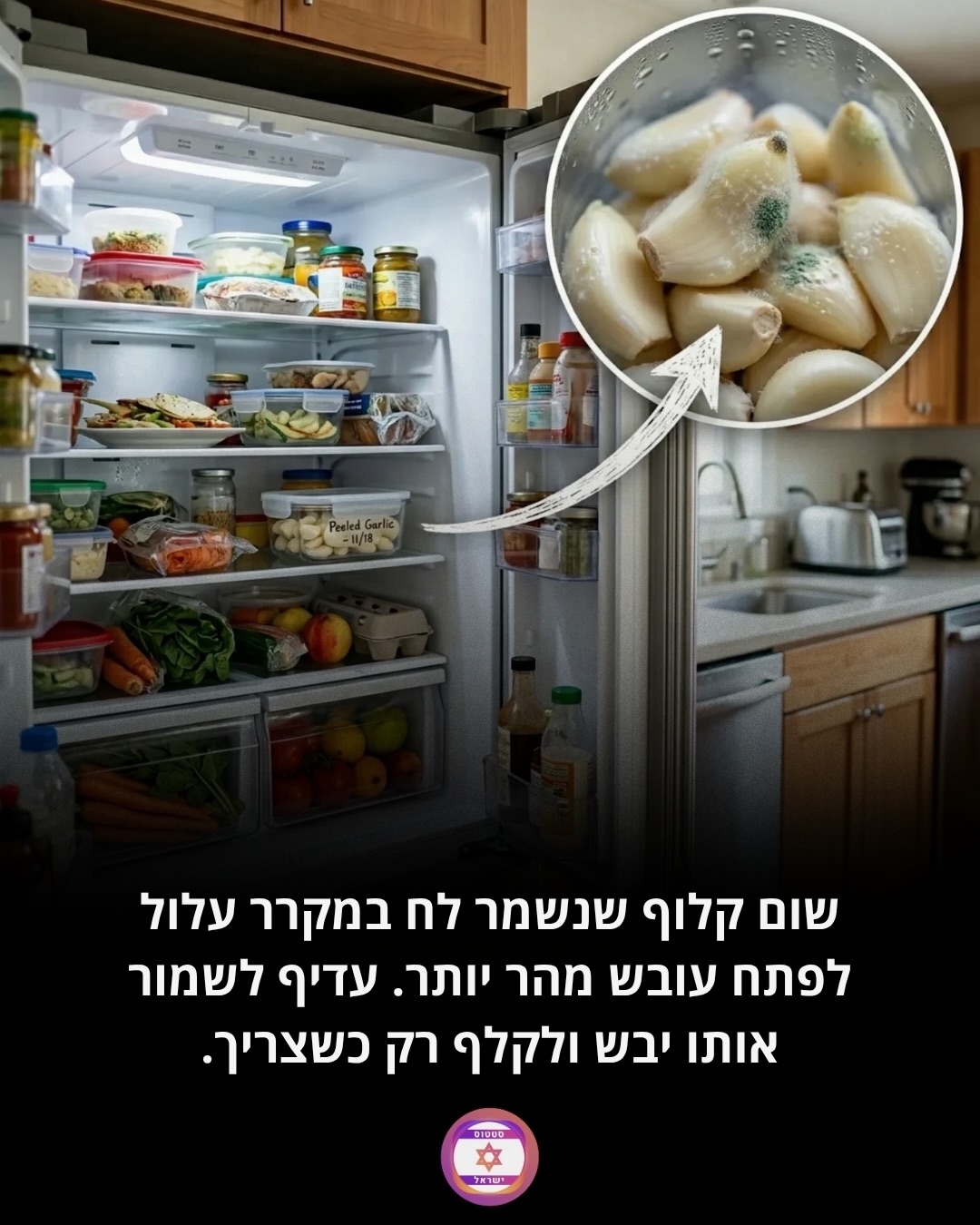
"שום קלוף שנשמר במקרר עלול לפתח עובש מהר יותר, לכן עדיף לשמור אותו יבש ולקלף רק כשצריך."
מסקנת הבדיקה:
מחקרים מראים כי שום קלוף רגיש מאוד לתנאי אחסון ונוטה להתדרדרות איכותית ומיקרוביאלית מהירה יותר בהשוואה לשום שלם. אחסון בתנאים יבשים וקילוף סמוך לשימוש הם פרקטיקות מקובלות לשמירה על איכות המוצר. (🟩)
chevron_right מקורות מדעיים: (2)
-
link
Postharvest Stability of Peeled Garlic Cloves (<i>Allium sativum L.</i>): A Study on Packaging Materials and Shelf-Life Environmental Interactions.
This study investigates the influence of storage environments and packaging materials on peeled garlic's physicochemical, phytochemical, and microbiological stability (<i>Allium sativum L</i>.) during a 30-day storage period. Four packaging materials, waxed paper (WP.B.), perforated low-density polyethylene (P-LDPE), low-density polyethylene (LDPE), and mesh bags (M.B.), were evaluated under two storage conditions: refrigeration at 4°C and ambient temperature at 25°C. A comprehensive set of quality indicators was monitored, including firmness, moisture content, total soluble solids (TSS), titratable acidity (TA), pH, color change, pyruvic acid, allicin content, and microbial counts. Results revealed that storage temperature was the dominant factor influencing quality degradation. Peeled garlic stored at 25°C exhibited rapid declines in firmness, allicin, and pyruvic acid, alongside significant increases in weight loss, color change, and microbial loads. In contrast, refrigerated storage significantly slowed deterioration, particularly when combined with breathable packaging materials like (WP.B.) and (P-LDPE), which maintained higher levels of bioactive compounds and reduced microbial proliferation. Correlation matrix analysis showed strong negative correlations between storage time and key quality parameters (firmness: <i>r</i> = -0.981, allicin: <i>r</i> = -0.999), while principal component analysis (PCA) confirmed the clustering of spoilage-related variables along PC1 under ambient conditions. These findings highlight the need for targeted storage strategies and the development of advanced, intelligent packaging technologies. The study recommends modeling degradation kinetics, exploring thermodynamic parameters for bioactive stability, and integrating multi-topic microbial profiling for predictive quality control. This approach will enable more sustainable, science-driven garlic storage solutions tailored to diverse postharvest supply chains.…
PMID: 41221084
-
link
Artificial intelligence and machine learning models for predicting and evaluating the influence of shelf-life environments and packaging materials on garlic (<i>Allium Sativum</i> L) physicochemical and phytochemical compositions.
The nutritional content and quality of garlic, a crop widely consumed, must be preserved after harvesting by overcoming several challenges. The necessity of this study arises from the growing demand for effective postharvest management solutions that can extend shelf life, maintain the nutritional integrity of garlic and enhance consumer satisfaction. This study explores the application of machine learning (ML) and artificial intelligence (AI) to predict the effects of storage environments and packaging materials on garlic's physicochemical properties, enzymatic activities, phytochemical content, and antioxidant characteristics. The results show that temperature significantly influenced most parameters, except for anthocyanin, and that packaging impacted all variables. Storing garlic at 4 °C was found to preserve its quality better than at 25 °C, offering insights into optimizing storage conditions and packaging for superior product quality. This research provides valuable guidance on controlling factors that affect garlic's postharvest performance, aiming to improve preservation and reduce food waste.…
PMID: 40686911
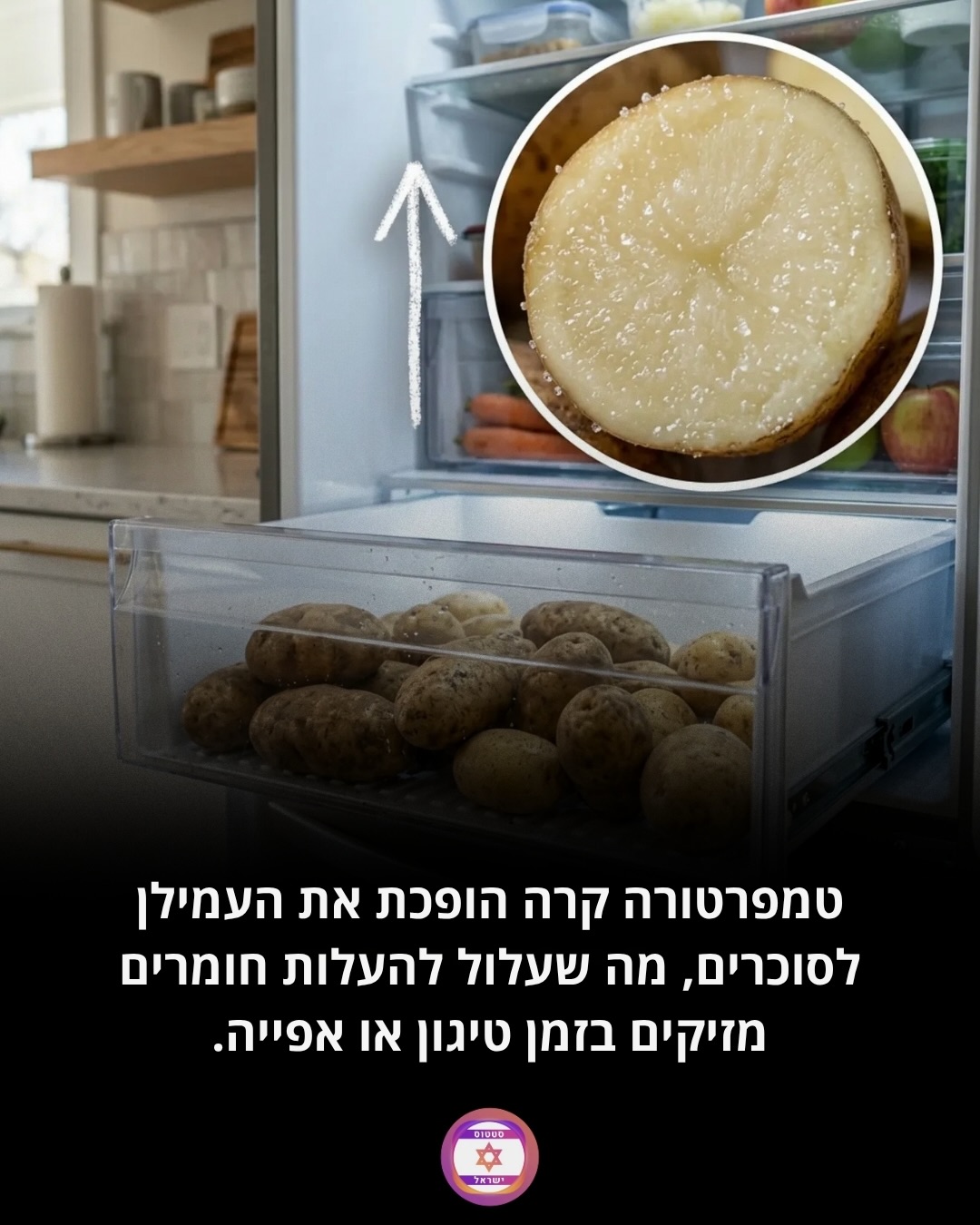
"טמפרטורה קרה הופכת את העמילן בתפוחי אדמה לסוכרים, מה שעלול להעלות את רמת החומרים המזיקים בזמן טיגון או אפייה."
מסקנת הבדיקה:
התופעה המכונה 'המתקה מושרית קור' (Cold-induced sweetening) מתועדת היטב בספרות המדעית. אחסון תפוחי אדמה בטמפרטורות נמוכות מוביל לפירוק עמילן לסוכרים מחזרים, אשר בתהליכי טיגון או אפייה מגיבים עם חומצות אמינו ליצירת אקרילאמיד, חומר בעל פוטנציאל מזיק. (🟩)
chevron_right מקורות מדעיים: (4)
-
link
Potato tonoplast sugar transporter 1 controls tuber sugar accumulation during postharvest cold storage.
Cold-induced sweetening (CIS), the undesirable sugar accumulation in cold-stored potato (…
PMID: 37799627
-
link
Exogenous brassinolide improves processing quality of cold-stored potato tubers by mitigating sweetening through integrated physiological and transcriptional regulation.
Cold-induced sweetening (CIS) impairs the processing quality of cold-stored potatoes by causing reducing sugar (RS) accumulation. This study demonstrated that exogenous brassinolide (BR) alleviates CIS through integrated physiological and transcriptional regulation. Using two cultivars with contrasting CIS susceptibility, BR enhanced starch retention during cold storage and suppressed vacuolar acid invertase (VAI) activity, thereby effectively curbing RS accumulation. Notably, BR treatment also reduced the cold-induced accumulation of asparagine. Consequently, BR restricted the availability of both key substrates-reducing sugars and asparagine-for the Maillard reaction during frying. BR also alleviated membrane lipid peroxidation and improved cellular homeostasis. Transcriptomic analysis confirmed the reprogramming of starch and sucrose metabolism pathways. The inherently lower endogenous BR levels in the CIS-sensitive cultivar were associated with its greater quality deterioration under cold storage. BR treatment effectively improved fried chip color and reduced acrylamide formation, supporting its potential as an eco-friendly strategy for enhancing potato processing quality.…
PMID: 42000160
-
link
Post-translational regulation of acid invertase activity by vacuolar invertase inhibitor affects resistance to cold-induced sweetening of potato tubers.
Cold-induced sweetening (CIS) is a serious post-harvest problem for potato tubers, which need to be stored cold to prevent sprouting and pathogenesis in order to maintain supply throughout the year. During storage at cold temperatures (below 10 °C), many cultivars accumulate free reducing sugars derived from a breakdown of starch to sucrose that is ultimately cleaved by acid invertase to produce glucose and fructose. When affected tubers are processed by frying or roasting, these reducing sugars react with free asparagine by the Maillard reaction, resulting in unacceptably dark-coloured and bitter-tasting product and generating the probable carcinogen acrylamide as a by-product. We have previously identified a vacuolar invertase inhibitor (INH2) whose expression correlates both with low acid invertase activity and with resistance to CIS. Here we show that, during cold storage, overexpression of the INH2 vacuolar invertase inhibitor gene in CIS-susceptible potato tubers reduced acid invertase activity, the accumulation of reducing sugars and the generation of acrylamide in subsequent fry tests. Conversely, suppression of vacuolar invertase inhibitor expression in a CIS-resistant line increased susceptibility to CIS. The results show that post-translational regulation of acid invertase by the vacuolar invertase inhibitor is an important component of resistance to CIS.…
PMID: 22734927
-
link
Induction of vacuolar invertase inhibitor mRNA in potato tubers contributes to cold-induced sweetening resistance and includes spliced hybrid mRNA variants.
Cold storage of tubers of potato (Solanum tuberosum L.) compromises tuber quality in many cultivars by the accumulation of hexose sugars in a process called cold-induced sweetening. This is caused by the breakdown of starch to sucrose, which is cleaved to glucose and fructose by vacuolar acid invertase. During processing of affected tubers, the high temperatures involved in baking and frying cause the Maillard reaction between reducing sugars and free amino acids, resulting in the accumulation of acrylamide. cDNA clones with deduced proteins homologous to known invertase inhibitors were isolated and the two most abundant forms, termed INH1 and INH2, were shown to possess apoplastic and vacuolar localization, respectively. The INH2 gene showed developmentally regulated alternative splicing, so, in addition to the INH2α transcript encoding the full-length protein, two hybrid mRNAs (INH2β*A and INH2β*B) that encoded deduced vacuolar invertase inhibitors with divergent C-termini were detected, the result of mRNA splicing of an upstream region of INH2 to a downstream region of INH1. Hybrid RNAs are common in animals, where they may add to the diversity of the proteome, but are rarely described in plants. During cold storage, INH2α and the hybrid INH2β mRNAs accumulated to higher abundance in cultivars resistant to cold-induced sweetening than in susceptible cultivars. Increased amounts of invertase inhibitor may contribute to the suppression of acid invertase activity and prevent cleavage of sucrose. Evidence for increased RNA splicing activity was detected in several resistant lines, a mechanism that in some circumstances may generate a range of proteins with additional functional capacity to aid adaptability.…
PMID: 21393382

סטטוס ישראל 🇮🇱
דירוג זה מבוסס על 2 דוחות אימות קודמים.
האם הדוח הזה היה מועיל לך?
מה היה פחות טוב? (רשות)
תודה על הפידבק!
עירעור על דוח זה
ספקו ראיות חדשות או הצביעו על אי דיוקים
נעדכן אותך על תוצאות הבדיקה
הוסיפו קישורים למחקרים או מקורות רפואיים מוכרים
העירעור נשלח בהצלחה!
המנוע המדעי שלנו יבדוק את הראיות שהגשתם. נעדכן אתכם באימייל עם התוצאות.
ניתוח מבוסס בינה מלאכותית
דוח זה נוצר באופן אוטומטי על ידי מערכת בינה מלאכותית ועשוי להכיל שגיאות, אי-דיוקים או מידע חלקי. הניתוח אינו מהווה ייעוץ רפואי, אבחנה או המלצה לטיפול, והוא אינו תחליף לדעתו של איש מקצוע רפואי מוסמך. יש להתייעץ עם רופא או מומחה מוסמך לפני קבלת כל החלטה רפואית. המידע מוצג לצרכי מידע כללי בלבד.
מידע זה מופק על ידי בינה מלאכותית ואינו מהווה תחליף לייעוץ רפואי מקצועי.