סריקה בתהליך...
הניתוח עשוי לארוך 30–90 שניות
הידעת?
הסרטון אינו מכיל תוכן רפואי
חושבים שחלה טעות?
אם לדעתכם הסרטון אכן עוסק בטענות רפואיות או בריאותיות, הוסיפו הסבר קצר ושלחו בקשה לבדיקה מחדש.
הבקשה התקבלה! נבדוק את הסרטון ונחזור אליכם.
אירעה שגיאה בשליחת הבקשה. נסו שוב.
דו״ח מאומת
הסרטון מכיל שילוב של עובדות מוכחות וטענות המטעות את הציבור.
סיכום
הסקירה המדעית מעלה כי בעוד שטכניקות נשימה עמוקה להפחתת חרדה נתמכות על ידי הספרות המקצועית, יתר הטענות (מצמוץ להירדמות, עצירת נשימה ל'זרימת חמצן', התזת מים לאנרגיה וקרח לטיפול באף סתום) אינן מגובות בראיות מדעיות מבוססות ב-PubMed. חלק מהטענות אף סותרות עקרונות פיזיולוגיים מקובלים.
analytics ניתוח טענות מבוסס ראיות
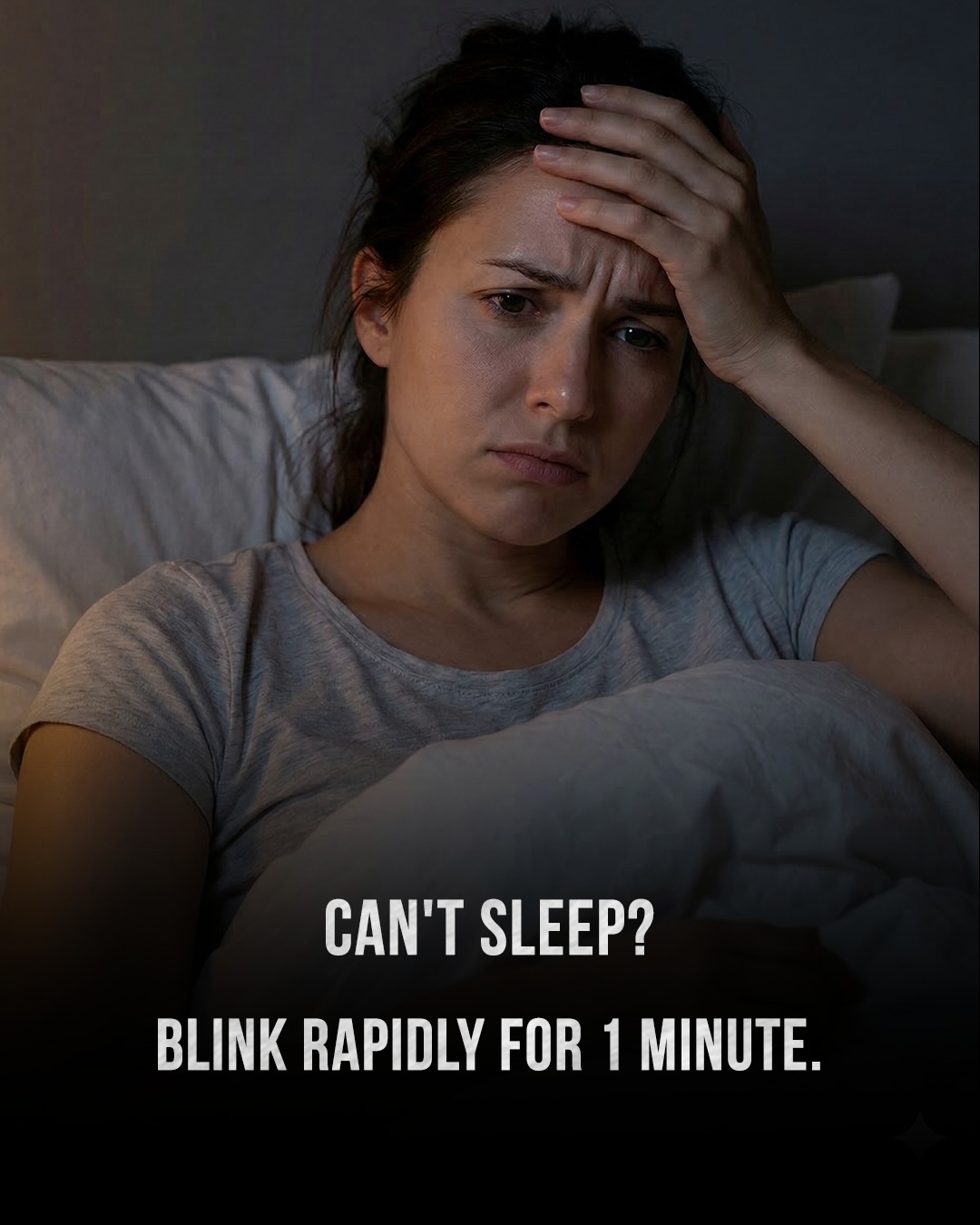
"מצמוץ מהיר למשך דקה מסייע בהירדמות."
מסקנת הבדיקה:
לא נמצאה עדות מדעית בספרות המקצועית התומכת בטענה שמצמוץ מהיר מסייע להירדמות. מחקרים בתחום מתמקדים בעיקר בהשפעות השליליות של הפחתת קצב המצמוץ במהלך שימוש במסכים, המובילה ליובש ואי-נוחות בעיניים. (⬜)
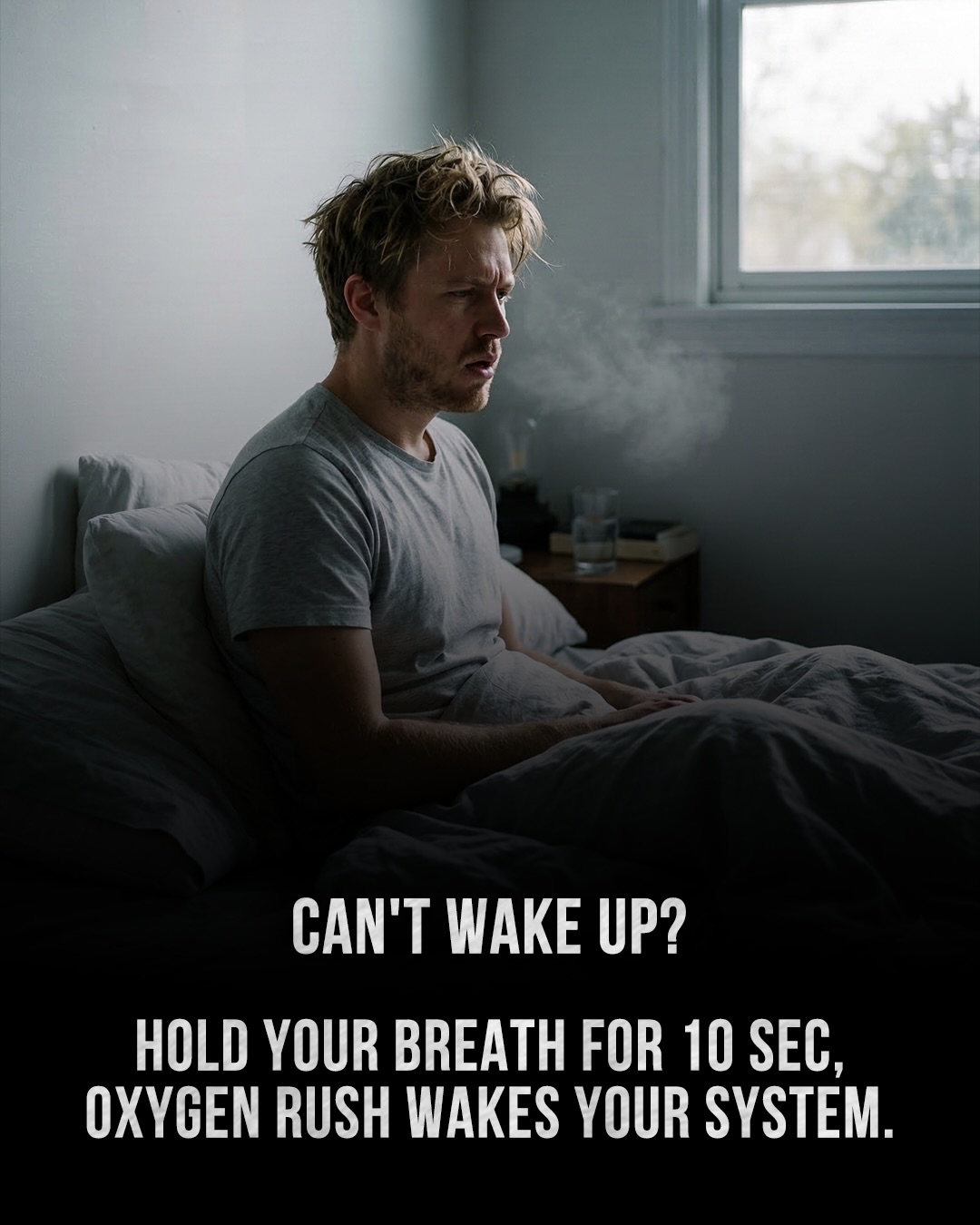
"עצירת נשימה ל-10 שניות מעוררת את המערכת באמצעות 'זרימת חמצן'."
מסקנת הבדיקה:
המונח 'זרימת חמצן' (oxygen rush) בהקשר של עצירת נשימה אינו מושג פיזיולוגי מוכר בספרות המדעית. עצירת נשימה מובילה לעלייה ברמות הפחמן הדו-חמצני (היפרקפניה) ולא לעלייה ברמת החמצן, ואין עדות לכך שפעולה זו 'מעוררת את המערכת' באופן מועיל או בטוח. (⬜)
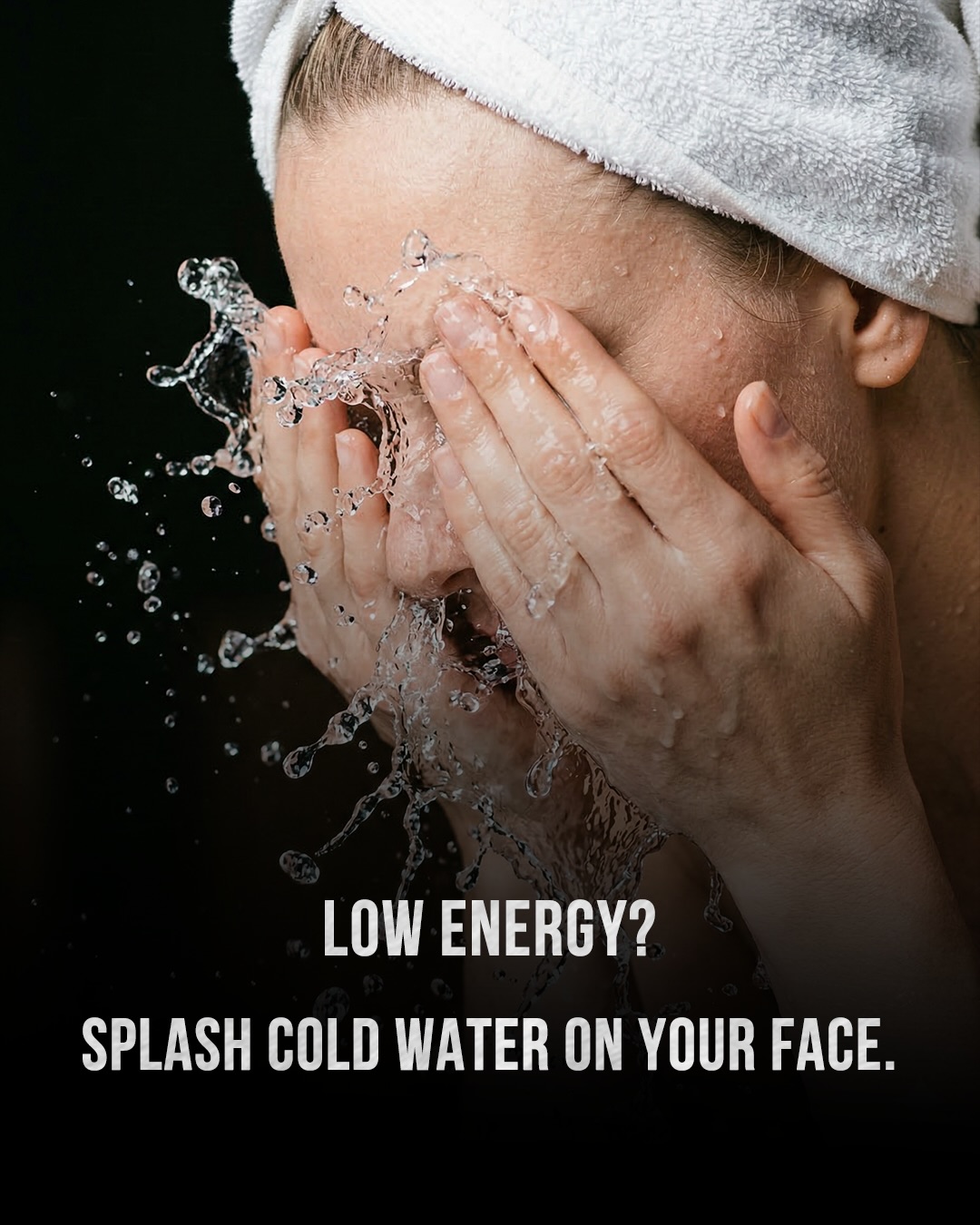
"התזת מים קרים על הפנים מעלה את רמת האנרגיה."
מסקנת הבדיקה:
חשיפה לקור (כגון התזת מים קרים) אכן מעוררת תגובות פיזיולוגיות, אך אין עדות מדעית ישירה לכך שהתזת מים על הפנים מעלה את רמת האנרגיה באופן מובהק. הספרות מתמקדת בעיקר בהשפעות של טיפול בקור על התאוששות גופנית או בריאות כללית ולא כשיטה להעלאת אנרגיה מיידית. (⬜)
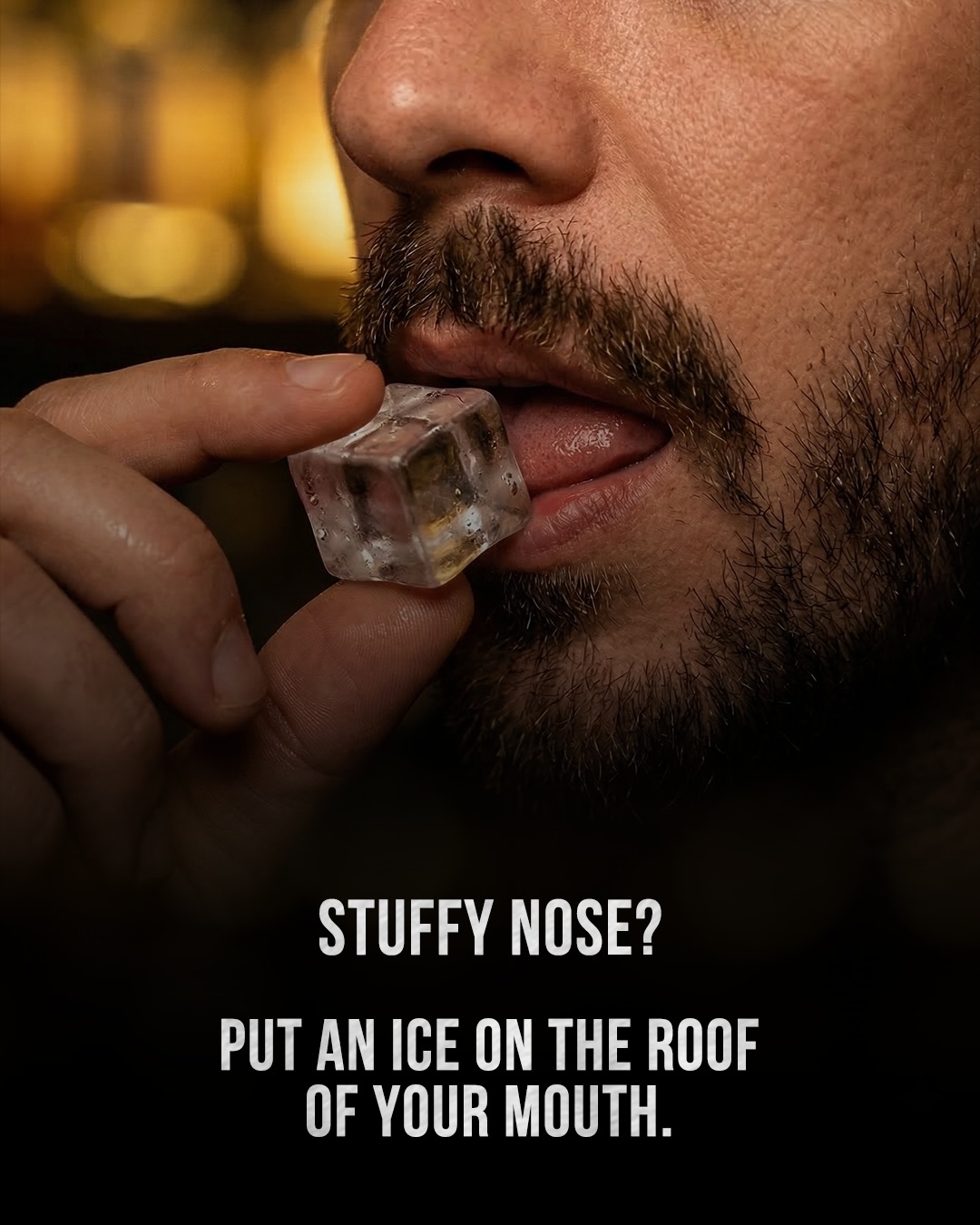
"הנחת קרח על החיך מסייעת בטיפול באף סתום."
מסקנת הבדיקה:
לא נמצאו מחקרים קליניים התומכים בטענה שהנחת קרח על החיך מסייעת בטיפול באף סתום. ניהול גודש באף מבוסס על טיפולים תרופתיים או פרוצדורות מוכחות המפורטות בהנחיות הקליניות לטיפול בנזלת וסינוסיטיס. (⬜)
chevron_right מקורות מדעיים: (2)
-
link
Rhinosinusitis: Evidence and experience - 2024.
It has been 10-years since the publication of Rhinosinusitis: evidence and experience, and since then a lot has changed in our understanding of the disease. Advances in pathophysiology, endotyping and new treatments such as biologics brought a new era in the management of our patients. This new guideline, developed jointly by ABR and ABORL-CCF, with the help of ASBAI presents an updated, evidence-based approach to the different forms of rhinosinusitis that aims to improve the diagnosis and treatment of this complex disease. The document covers a wide range of topics, including clear definitions of the different stages of acute sinusitis. It also introduces a new term called Prolonged Acute Viral Rhinosinusitis. Reviews phenotypes and endotypes of chronic rhinosinusitis, recommending methods for clinical and laboratory investigation, clinical and surgical treatment. We also discuss in detail fungal sinusitis and pediatric sinusitis. The objective of this updated Consensus is to clarify some already established and recent concepts, highlighting the importance of an accurate diagnosis to promote treatment approaches that reflect the best practices based on solid evidence. Therefore, we seek not only to improve the results of patients care, but also to guide thealth professionals through a clinical panorama that is in constant transformation.…
PMID: 40398368
-
link
V Brazilian Consensus on Rhinitis - 2024.
Since we published the "IV Brazilian Consensus on Rhinitis", in2017, several advances have been achieved and have enabled a further understanding of the different aspects of "Rhinitis". This new guideline, developed jointly by ASBAI, SBP and SBORL, represents a relevant milestone in the updated and integrated management of the different forms of the disease, and it aims to unify evidence-based approaches to improve the diagnosis and treatment of this common and often underestimated condition. The document covers a wide range of topics, including clear definitions of the different phenotypes and endotypes of rhinitis, risk factors, updated diagnostic criteria, and recommended methods for clinical and laboratory investigation. We stress the importance of detailed clinical history and objective assessment, as well as tools for control and assessing severity tools an accurate diagnostic approach to the disease. Regarding treatment, it emphasizes the treatment customization, considering the severity of symptoms, the presence of comorbidities and the impact on the patient's quality of life. We discuss different drug treatment, in addition to non-pharmacological measures, such as environmental control and specific immunotherapy; and the possible role of immunobiological agents. Furthermore, the consensus addresses issues related to patient education, prevention and management of special situations, such as rhinitis in children, in pregnant women and in the elderly. In short, the "V Brazilian Consensus on Rhinitis" represents a comprehensive and updated guide for healthcare professionals involved in the diagnosis and management of rhinitis, aiming to improve patients' quality of life through an integrated and evidence-based approach.…
PMID: 39388827
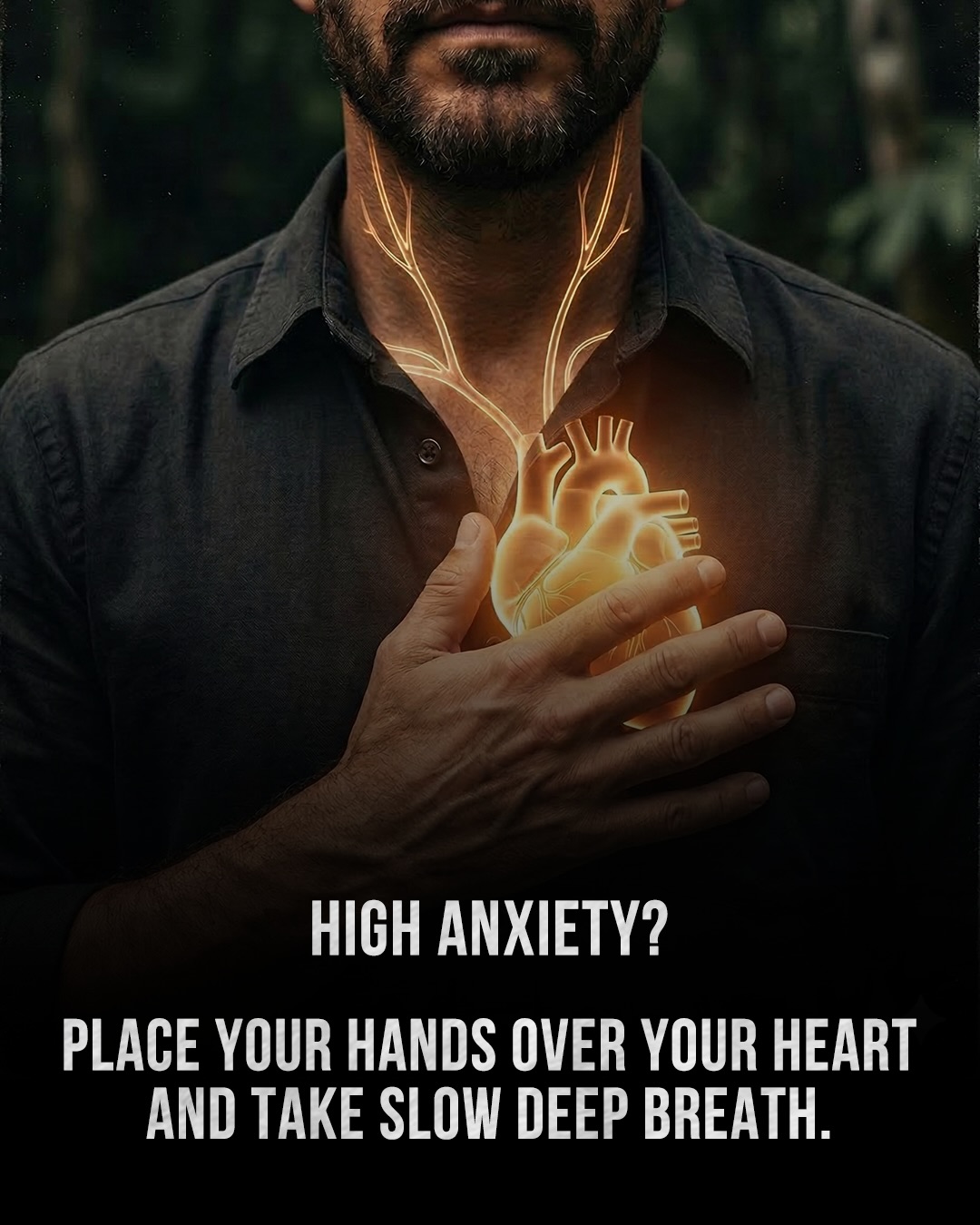
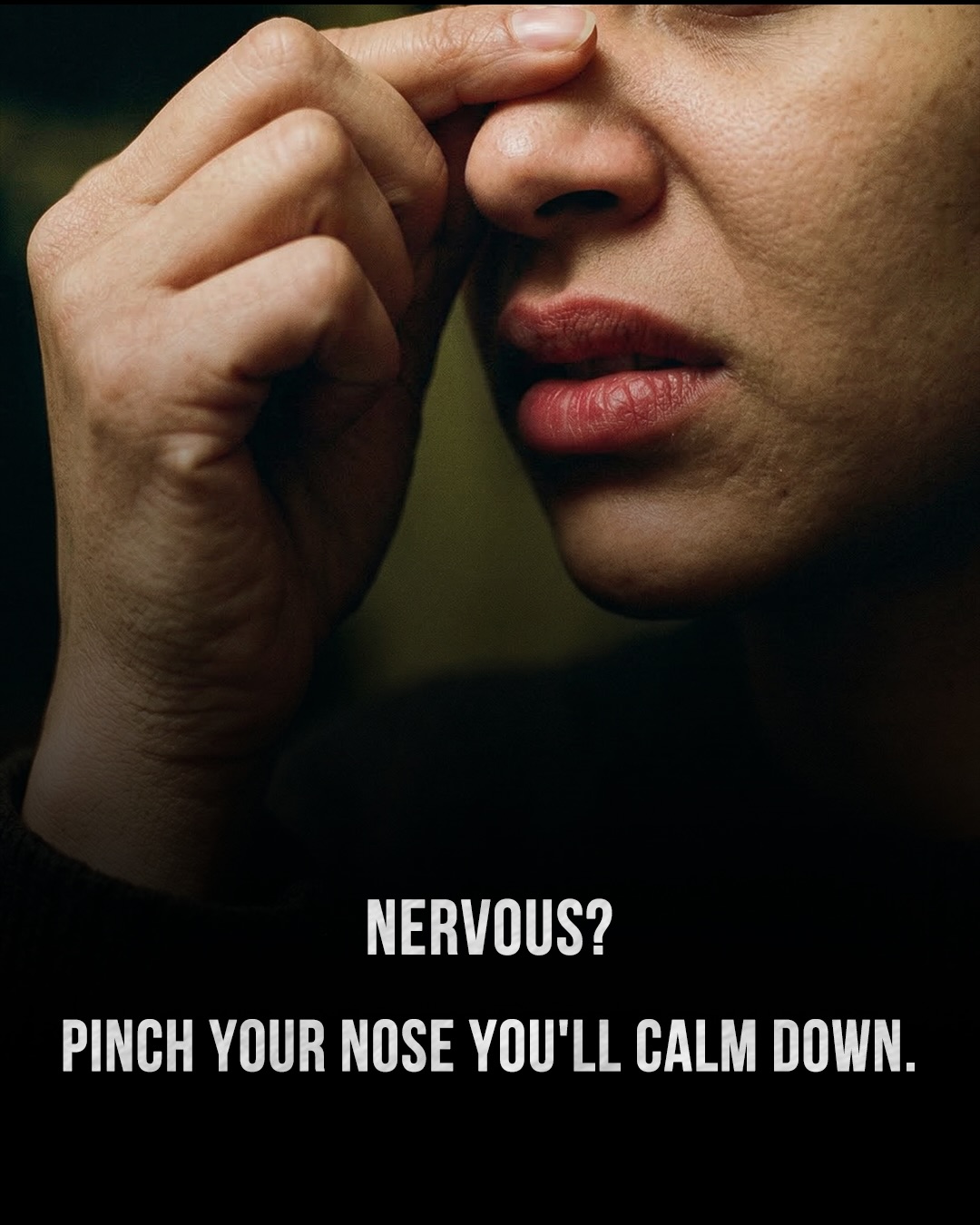
"הנחת ידיים על הלב ונשימות עמוקות מסייעות בהפחתת חרדה."
מסקנת הבדיקה:
קיימות ראיות מדעיות רבות לכך שטכניקות נשימה עמוקה ותרגולי מודעות (Mindfulness) מסייעים בהפחתת חרדה ובוויסות המערכת האוטונומית. הנחת ידיים על הלב משולבת לעיתים קרובות בטכניקות אלו כחלק מגישות להרגעה עצמית ושיפור השונות בקצב הלב (HRV). (🟩)
chevron_right מקורות מדעיים: (4)
-
link
Mindfulness Exercises Reduce Acute Physiologic Stress Among Female Clinicians.
Approximately 50% of clinicians experience excessive emotional, physical, and mental stress, with repercussions across the entire medical system. Mindfulness exercises may mitigate this excessive stress. Heart rate variability (HRV) is an objective stress measure that can quantify which mindfulness exercises provide the greatest stress reduction. To define the impact of specific mindfulness exercises on HRV, a surrogate for physiologic stress, and the relationship between physiologic (HRV) and subjective stress measured by the State-Trait Anxiety Inventory during a one-day mindfulness workshop. This was a prospective observational pilot study performed at a quaternary children's hospital with diverse subspecialists of pediatric nurses, nurse practitioners, and physicians. Our primary outcome measure was change in HRV from baseline during three mindfulness exercises. The grounding, deep breathing, and body scan exercises all produced statistically significant changes in HRV among our 13 female participants. The body scan exercise produced statistically significant changes in all studied HRV parameters compared with baseline. We observed significant increases in Root Mean Square of Successive Differences between normal heartbeats (p = 0.026), high frequency (p ≤ 0.001), and the parasympathetic nervous system index (p ≤ 0.001) reflecting increased parasympathetic tone (e.g., relaxation), whereas sd 2/sd 1 ratio (p ≤ 0.001) and the stress index (p = 0.004) were decreased reflecting sympathetic withdrawal (e.g., decreased stress). Subjective stress decreased after 1-day mindfulness training (44.6 to 27.2) (p < 0.001). Individuals with the largest decrease in subjective stress also had the most improvement in HRV during the body scan exercise. Clinician stress levels (HRV) improved after participating in grounding, deep breathing, and body scan meditations, which may highlight their importance as stress reduction tools for clinicians. Monitoring of HRV during mindfulness exercises may provide deeper understanding of which specific exercises produce the greatest physiologic stress reduction for individual participants and the trend of these changes over time.…
PMID: 39466161
-
link
Effects of Using Guided Deep Breathing Exercises in a Virtual Natural Environment to Reduce Stress during Pediatric Treatment.
There exists a need for new methods to address treatment anxiety in pediatrics-at the same time, deep breathing exercises and virtual natural environments have both been known to have stress-reducing qualities. This article reports the combined effect of these two methods in a pediatric setting. A feasibility study was conducted in a local hospital. The study had a within-subjects design, and it included 21 child patients aged 8 to 12 years old, who used a virtual reality (VR) relaxation application developed for this purpose during an intravenous cannulation procedure related to their treatment. The key findings highlight a statistically very significant stress reduction associated with the utilized VR intervention, demonstrated by heart rate variability measurements (SDNN,…
PMID: 38132030
-
link
From Dysregulation to Coherence: Exploring the HeartMath
Mounting evidence suggests that the long-term effects of trauma and adversity are rooted not only in psychological distress, but in persistent dysregulation of the body's stress response and its associated neuroendocrine systems. This physiological dysregulation has emerged as a critical contributor to health outcomes, yet remains under-addressed in conventional clinical care. Emotional states are integrated with core physiological functions through dynamic, bidirectional autonomic signaling between the heart, lungs, brainstem, limbic system, and higher cortical areas. This interconnected network enables conscious regulation of breathing, heart rhythms and emotions to influence autonomic and higher cortical functions. Research has demonstrated that heart rhythm patterns become more ordered during HeartMath's…
PMID: 41445965
-
link
Therapeutic potential of slow pranayama in anxiety.
Pranayama, yogic breathing techniques, are considered a form of meditation. In classical yoga, the breath is associated with prana; thus, pranayama is a means to control the inner force, the prana shakti or life energy. Pranayama is more than regular breathing and if practiced in structured and methodical manner can reduce the body's physical symptoms of stress and anxiety. It has more recently gained popularity in the western world because of the many health benefits that come from a pranayama practice. Anxiety disorders are among the most common mental health conditions, affecting millions worldwide. Anxiety is an emotional state in which one perceives worry, danger, apprehension, and nervousness and has negative effects on all aspects such as social, personal, and academic performance. It is closely linked with autonomic nervous system dysregulation, often reflected in decreased heart rate variability (HRV), a biomarker of vagal tone and emotional and psychological resilience. HRV reflects the balance between sympathetic and parasympathetic nervous activities. Nonpharmacological approaches such as yogic breathing techniques have shown promising approaches in reducing anxiety symptoms. The modulation of HRV through slow breathing, often characterized by a prolonged expiratory phase, enhances vagal tone, restores sympathovagal balance, and promotes homeostasis. Research indicates that yoga interventions positively impact individuals with mental health disorders, improving positive symptoms and quality of life and reducing milder symptoms. This review explores the therapeutic potential of slow pranayama in reducing anxiety symptoms and managing anxiety disorders. It examines current evidence, limitations, and future research directions for integrating yoga-based practices into mental health care.…
PMID: 41624663

Mindvalore™
דירוג זה מבוסס על 1 דוחות אימות קודמים.

האם הדוח הזה היה מועיל לך?
מה היה פחות טוב? (רשות)
תודה על הפידבק!
עירעור על דוח זה
ספקו ראיות חדשות או הצביעו על אי דיוקים
נעדכן אותך על תוצאות הבדיקה
הוסיפו קישורים למחקרים או מקורות רפואיים מוכרים
העירעור נשלח בהצלחה!
המנוע המדעי שלנו יבדוק את הראיות שהגשתם. נעדכן אתכם באימייל עם התוצאות.
ניתוח מבוסס בינה מלאכותית
דוח זה נוצר באופן אוטומטי על ידי מערכת בינה מלאכותית ועשוי להכיל שגיאות, אי-דיוקים או מידע חלקי. הניתוח אינו מהווה ייעוץ רפואי, אבחנה או המלצה לטיפול, והוא אינו תחליף לדעתו של איש מקצוע רפואי מוסמך. יש להתייעץ עם רופא או מומחה מוסמך לפני קבלת כל החלטה רפואית. המידע מוצג לצרכי מידע כללי בלבד.
מידע זה מופק על ידי בינה מלאכותית ואינו מהווה תחליף לייעוץ רפואי מקצועי.