סריקה בתהליך...
הניתוח עשוי לארוך 30–90 שניות
הידעת?
הסרטון אינו מכיל תוכן רפואי
חושבים שחלה טעות?
אם לדעתכם הסרטון אכן עוסק בטענות רפואיות או בריאותיות, הוסיפו הסבר קצר ושלחו בקשה לבדיקה מחדש.
הבקשה התקבלה! נבדוק את הסרטון ונחזור אליכם.
אירעה שגיאה בשליחת הבקשה. נסו שוב.
דו״ח מאומת
הסרטון מציג מידע מדויק ומגובה במחקרים מדעיים אמינים.
סיכום
כל הטענות שהועלו נמצאו מאומתות על ידי הספרות המדעית העדכנית. הממצאים תומכים בהבחנה בין סוגי קינמון בהקשר של רעילות קומרין, בהבדלים בריכוזי כספית במיני טונה שונים, בסיכון הבטיחותי בשימוש בביצים סדוקות, בצורך בשיפור זמינות ביולוגית לכורכומין, ובהשפעת חומציות המזון על נדידת חומרים מאריזות מתכת.
analytics ניתוח טענות מבוסס ראיות
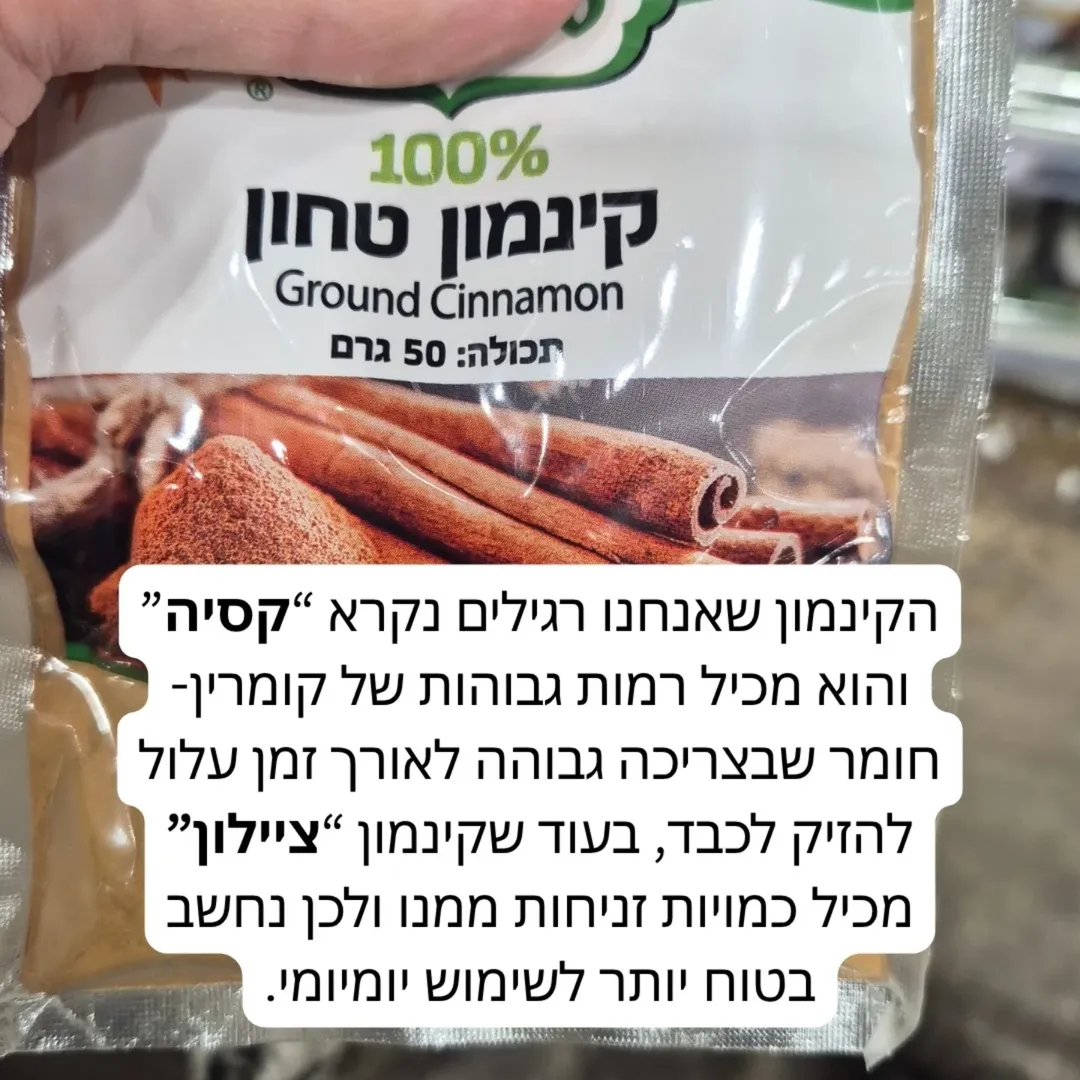
"קינמון מסוג 'קסיה' מכיל רמות גבוהות של קומרין שעלולות להזיק לכבד, בעוד שקינמון מסוג 'ציילון' נחשב בטוח יותר לשימוש יומיומי."
מסקנת הבדיקה:
הספרות המדעית מאשרת כי קינמון מסוג 'קסיה' (Cinnamomum cassia) מכיל ריכוזים גבוהים של קומרין, תרכובת בעלת פוטנציאל רעילות לכבד, בעוד שקינמון 'ציילון' (Cinnamomum verum) מכיל רמות נמוכות משמעותית של חומר זה ונחשב בטוח יותר לצריכה. (🟩)
"טונה בהירה מכילה משמעותית פחות כספית בהשוואה לטונה לבנה או טונה צהובה."
מסקנת הבדיקה:
מחקרים מראים כי רמות הכספית בטונה משתנות בהתאם למין הדג. טונה לבנה (Albacore) נוטה להכיל ריכוזי כספית גבוהים יותר בהשוואה לטונה בהירה (לרוב מסוג Skipjack), מה שתומך בהמלצה לבחור בטונה בהירה להפחתת חשיפה לכספית. (🟩)
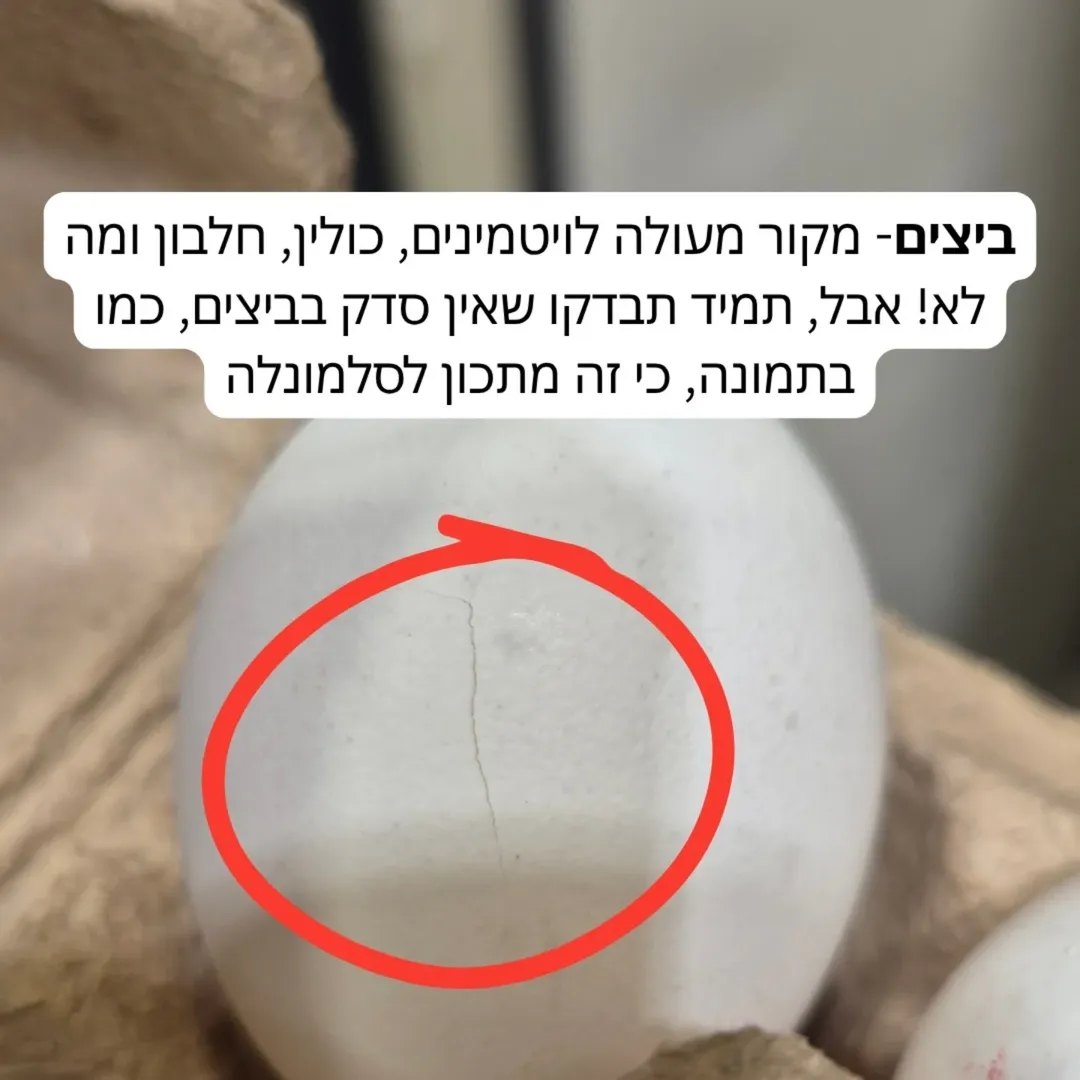
"יש להימנע משימוש בביצים סדוקות בשל הסיכון לזיהום בחיידק הסלמונלה."
מסקנת הבדיקה:
סדקים בקליפת הביצה מהווים פרצה המאפשרת חדירת חיידקים, כולל סלמונלה, אל תוך תוכן הביצה. הנחיות בטיחות מזון מקובלות מזהירות מפני שימוש בביצים סדוקות בשל הסיכון המוגבר לזיהום. (🟩)
chevron_right מקורות מדעיים: (2)
-
link
Salmonella contamination in shell eggs exposed to modified-pressure imaging for microcrack detection.
Microcracks in egg shells are a food safety risk and are difficult for professional human graders to detect. Modified-pressure imaging technology with 99.6% accuracy has been developed to detect microcracks. This study was conducted to determine whether the microcrack detection system would increase penetration of Salmonella into egg contents or lead to cross-contamination within the system. Thirty dozen grade A large white retail eggs were used for each of 3 replicates. Cracked eggs were removed and 72 eggs/replicate were dip inoculated in buffered peptone water containing 10(5) cfu/mL of nalidixic acid-resistant Salmonella Typhimurium (ST), whereas 144 eggs were dipped in sterile buffered peptone water. All eggs were incubated overnight at 25°C before imaging. Forty-five eggs of each treatment were imaged in the following order: control, inoculated, control. Imaged and nonimaged eggs from each treatment were used for cultural analysis of a shell rinse, shell emulsion, and contents sample for each egg. The ST levels were monitored on brilliant green sulfa agar with 200 mg/L of nalidixic acid. Egg contents were also enriched to determine the prevalence of ST in low levels. Salmonella Typhimurium was not detected on or in any of the control eggs, including the eggs imaged after the inoculated eggs. The highest level of ST was detected in inoculated shell emulsions (4.79 log cfu/mL). No differences in ST levels were found for any sample location between imaged and nonimaged inoculated eggs. Therefore, the modified-pressure imaging system for microcrack detection did not result in microbial cross-contamination or increase the level of microbial penetration in inoculated eggs. The imaging system can be used to assess eggs for cracks without negative food safety implications.…
PMID: 21673180
-
link
Genomic insights into the prevalence and genetic diversity of <i>Salmonella</i> in chicken eggs in Saudi Arabia.
<h4>Introduction</h4><i>Salmonella</i> enterica remains one of the leading causes of foodborne illness globally, with poultry and eggs recognized as major transmission vehicles. In Saudi Arabia, data integrating genomic epidemiology with conventional microbiological surveillance in eggs remain limited. This study aimed to provide the first comprehensive genomic characterization of <i>Salmonella</i> isolated from chicken eggs in the Kingdom, assessing prevalence, serovar distribution, virulence determinants, and antimicrobial resistance (AMR) profiles to better inform food safety risk assessment within a One Health framework.<h4>Methods</h4>A total of 260 chicken eggs were collected and analyzed using conventional microbiological culture methods for Salmonella detection. Confirmed isolates underwent whole-genome sequencing (WGS) to determine serovar identity, virulence-associated genes, and antimicrobial resistance determinants. Comparative genomic analyses were conducted to evaluate differences between isolates recovered from eggshell surfaces and egg contents, with particular focus on multidrug resistance (MDR) genes, plasmid-mediated <i>β</i>-lactamases, and fluoroquinolone resistance determinants.<h4>Results</h4><i>Salmonella</i> was detected in 9% of the analyzed samples. Contamination was more frequently identified on eggshells than within egg contents, suggesting a substantial contribution of environmental exposure during handling and distribution. Twelve distinct serovars were identified, with <i>Salmonella Enteritidis</i> and <i>Salmonella typhimurium</i> predominating.Eggshell isolates demonstrated broader serovar diversity but carried fewer antimicrobial resistance determinants. In contrast, isolates recovered from egg contents were associated with clinically significant serovars and exhibited a higher prevalence of antimicrobial resistance genes. Whole-genome analysis revealed multidrug resistance profiles, including plasmid-mediated <i>β</i>-lactamase genes and fluoroquinolone resistance determinants, indicating the potential for dissemination of resistant strains through the food chain.<h4>Discussion</h4>The findings demonstrate dual contamination pathways in eggs: external contamination linked to environmental handling factors and internal contamination associated with serovars of greater clinical relevance and elevated AMR gene burden. The detection of multidrug resistance determinants highlights the risk of horizontal transmission of resistance elements across foodborne bacteria.These results underscore the importance of integrating genomic surveillance into national food safety systems to strengthen risk assessment, guide targeted control measures, and support antimicrobial resistance monitoring. Within the Saudi context, implementing WGS-based surveillance aligns with One Health principles and enhances preparedness against emerging foodborne AMR threats.…
PMID: 41822133
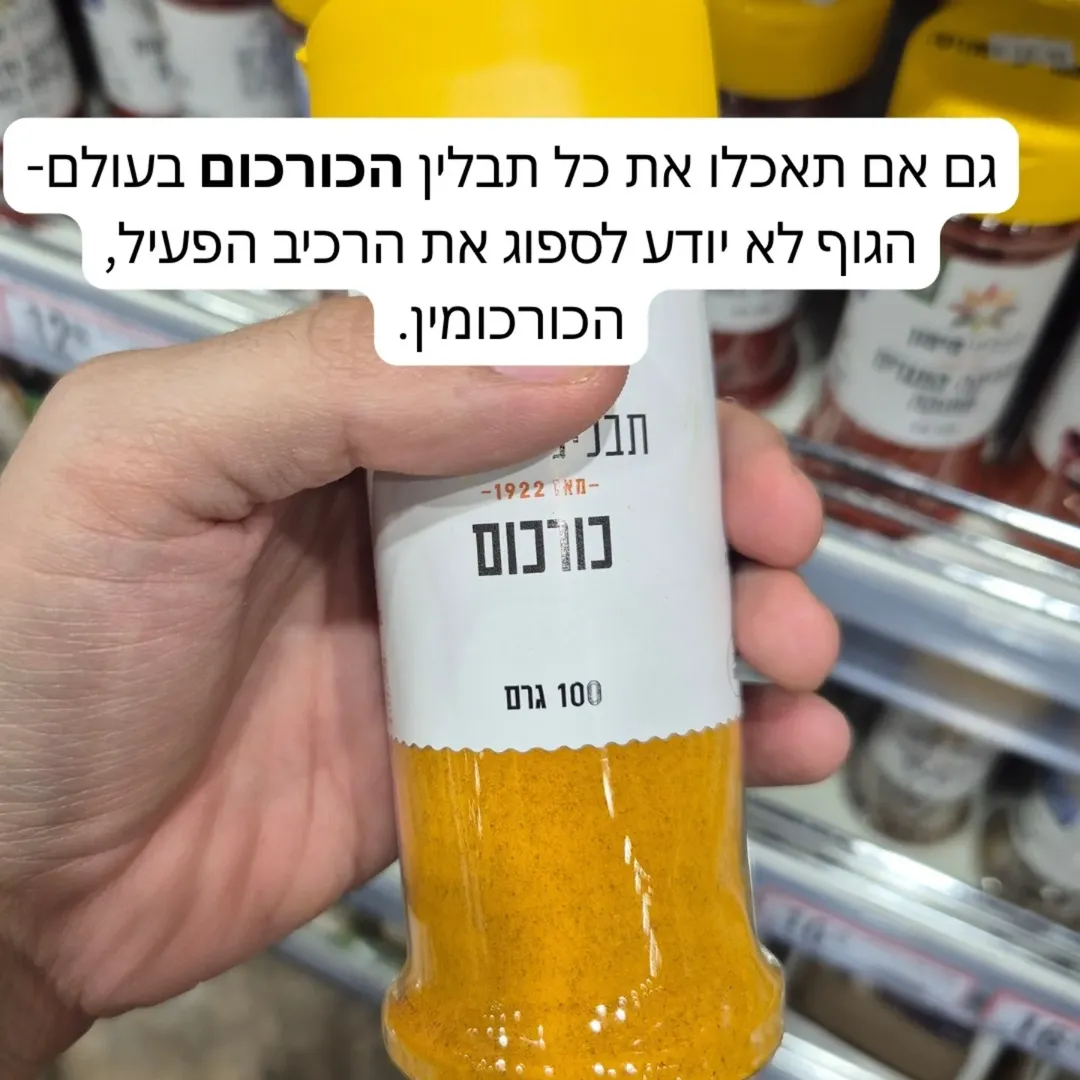
"הגוף מתקשה לספוג את הרכיב הפעיל בכורכום (כורכומין) ללא עזרה."
מסקנת הבדיקה:
כורכומין ידוע בספרות המדעית כבעל זמינות ביולוגית נמוכה מאוד בשל ספיגה מעי גרועה ומטבוליזם מהיר. שימוש בתוספים כמו פיפרין (מפלפל שחור) או טכנולוגיות ניסוח (ננו-חלקיקים, ליפוזומים) הוכח כמשפר משמעותית את ספיגתו בגוף. (🟩)
chevron_right מקורות מדעיים: (3)
-
link
Bioavailability of curcumin: problems and promises.
Curcumin, a polyphenolic compound derived from dietary spice turmeric, possesses diverse pharmacologic effects including anti-inflammatory, antioxidant, antiproliferative and antiangiogenic activities. Phase I clinical trials have shown that curcumin is safe even at high doses (12 g/day) in humans but exhibit poor bioavailability. Major reasons contributing to the low plasma and tissue levels of curcumin appear to be due to poor absorption, rapid metabolism, and rapid systemic elimination. To improve the bioavailability of curcumin, numerous approaches have been undertaken. These approaches involve, first, the use of adjuvant like piperine that interferes with glucuronidation; second, the use of liposomal curcumin; third, curcumin nanoparticles; fourth, the use of curcumin phospholipid complex; and fifth, the use of structural analogues of curcumin (e.g., EF-24). The latter has been reported to have a rapid absorption with a peak plasma half-life. Despite the lower bioavailability, therapeutic efficacy of curcumin against various human diseases, including cancer, cardiovascular diseases, diabetes, arthritis, neurological diseases and Crohn's disease, has been documented. Enhanced bioavailability of curcumin in the near future is likely to bring this promising natural product to the forefront of therapeutic agents for treatment of human disease.…
PMID: 17999464
-
link
Influence of piperine on the pharmacokinetics of curcumin in animals and human volunteers.
The medicinal properties of curcumin obtained from Curcuma longa L. cannot be utilised because of poor bioavailability due to its rapid metabolism in the liver and intestinal wall. In this study, the effect of combining piperine, a known inhibitor of hepatic and intestinal glucuronidation, was evaluated on the bioavailability of curcumin in rats and healthy human volunteers. When curcumin was given alone, in the dose 2 g/kg to rats, moderate serum concentrations were achieved over a period of 4 h. Concomitant administration of piperine 20 mg/kg increased the serum concentration of curcumin for a short period of 1-2 h post drug. Time to maximum was significantly increased (P < 0.02) while elimination half life and clearance significantly decreased (P < 0.02), and the bioavailability was increased by 154%. On the other hand in humans after a dose of 2 g curcumin alone, serum levels were either undetectable or very low. Concomitant administration of piperine 20 mg produced much higher concentrations from 0.25 to 1 h post drug (P < 0.01 at 0.25 and 0.5 h; P < 0.001 at 1 h), the increase in bioavailability was 2000%. The study shows that in the dosages used, piperine enhances the serum concentration, extent of absorption and bioavailability of curcumin in both rats and humans with no adverse effects.…
PMID: 9619120
-
link
Sustainably derived turmeric nanoparticles enhance gastrointestinal bioavailability of curcumin.
Turmeric-derived curcumin offers various health benefits but has poor bioavailability due to low water solubility and rapid gastrointestinal degradation. A recently proposed raw-to-nano strategy enables the direct formulation of turmeric nanoparticles from raw turmeric, using inherent biopolymers to encapsulate and protect curcumin. However, it remains unclear how these nanoparticles enhance gastrointestinal bioavailability and how food matrices influence this process. This study investigated the gastrointestinal digestion of turmeric nanoparticles and assessed the influence of a nanoemulsion food matrix on curcumin's stability and bioavailability. Turmeric nanoparticles (∼0.11 μm) were formulated using the raw-to-nano strategy and incorporated into nanoemulsions as a food model. Their gastrointestinal fate was examined using a standardized in vitro digestion model, with curcumin crystals serving as the reference. Results showed that curcumin molecules were spontaneously encapsulated within the lipid phase of nanoemulsions. Turmeric nanoparticles exhibited significant size increases in different digestion phases, particularly in the gastric phase (pH 3), whereas their size remained stable when incorporated into nanoemulsions. Compared to curcumin crystals, turmeric nanoparticles significantly enhanced curcumin's gastrointestinal stability, particularly within nanoemulsions, where stability reached ∼92.2 %. Additionally, the bioaccessibility of curcumin in turmeric nanoparticles (∼66.8 %) was markedly higher than curcumin crystals (∼9.0 %) due to nano-encapsulation in mixed micelles, while curcumin from crystals largely remained in sediments, limiting absorption. Incorporation into nanoemulsions further improved curcumin bioaccessibility (∼82.5 %). This study demonstrates that turmeric nanoparticles formulated via a sustainable raw-to-nano strategy significantly enhance the gastrointestinal bioavailability of curcumin, offering a promising strategy for improving delivery of curcumin in functional foods.…
PMID: 40922183
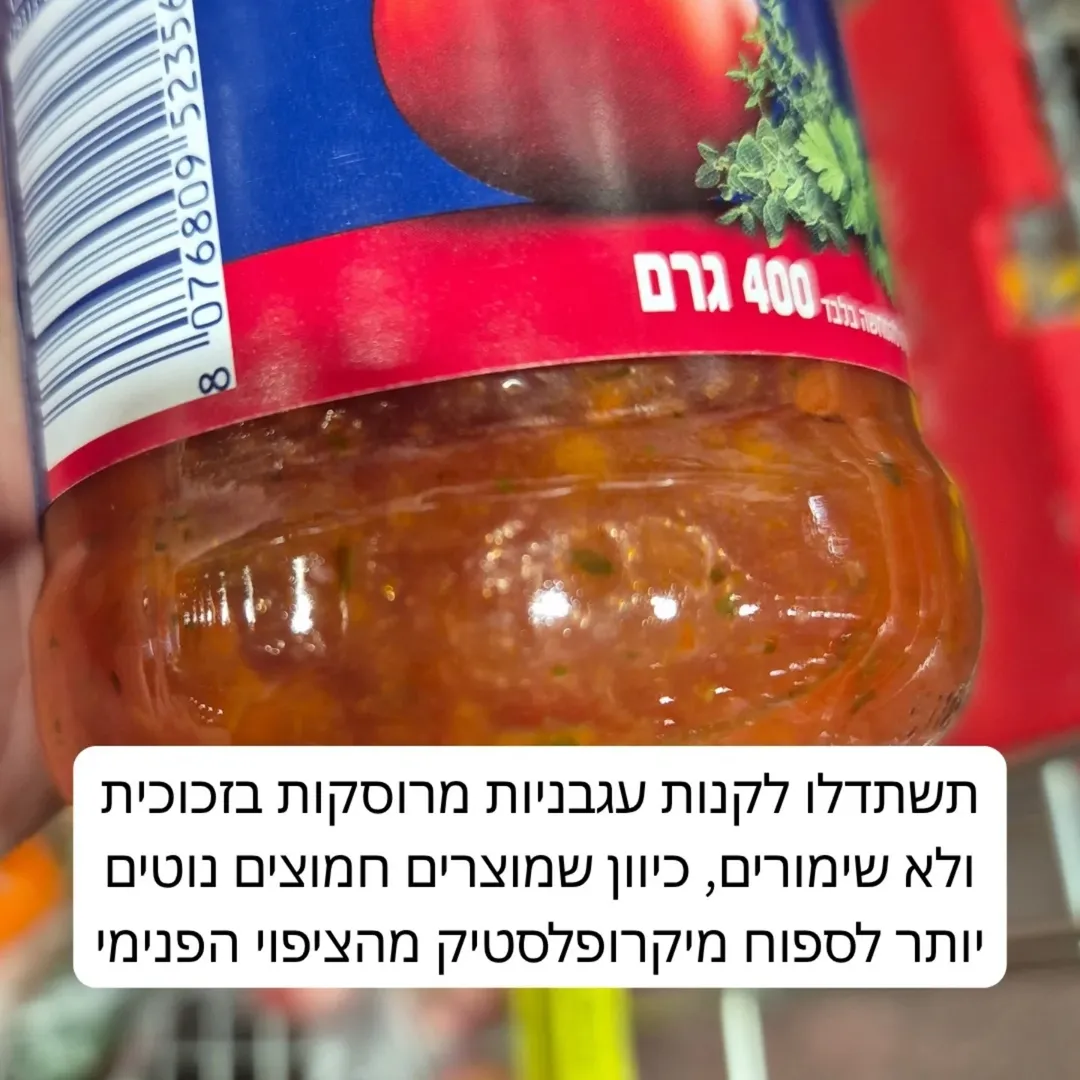
"אחסון מוצרים חומציים כמו רסק עגבניות בשימורים עלול להגביר את הסיכון לחדירת חומרים מהציפוי הפנימי למזון, לעומת אחסון בזכוכית."
מסקנת הבדיקה:
מזונות חומציים, כגון רסק עגבניות, עלולים להאיץ את תהליך השחרור (leaching) של מתכות או חומרים מהציפוי הפנימי של פחיות שימורים אל תוך המזון. אחסון בכלי זכוכית אינו כרוך בסיכון זה, מה שהופך אותו לחלופה בטוחה יותר. (🟩)
Matan Haber: Food Science
דירוג זה מבוסס על 6 דוחות אימות קודמים.


האם הדוח הזה היה מועיל לך?
מה היה פחות טוב? (רשות)
תודה על הפידבק!
עירעור על דוח זה
ספקו ראיות חדשות או הצביעו על אי דיוקים
נעדכן אותך על תוצאות הבדיקה
הוסיפו קישורים למחקרים או מקורות רפואיים מוכרים
העירעור נשלח בהצלחה!
המנוע המדעי שלנו יבדוק את הראיות שהגשתם. נעדכן אתכם באימייל עם התוצאות.
ניתוח מבוסס בינה מלאכותית
דוח זה נוצר באופן אוטומטי על ידי מערכת בינה מלאכותית ועשוי להכיל שגיאות, אי-דיוקים או מידע חלקי. הניתוח אינו מהווה ייעוץ רפואי, אבחנה או המלצה לטיפול, והוא אינו תחליף לדעתו של איש מקצוע רפואי מוסמך. יש להתייעץ עם רופא או מומחה מוסמך לפני קבלת כל החלטה רפואית. המידע מוצג לצרכי מידע כללי בלבד.
מידע זה מופק על ידי בינה מלאכותית ואינו מהווה תחליף לייעוץ רפואי מקצועי.