סריקה בתהליך...
הניתוח עשוי לארוך 30–90 שניות
הידעת?
הסרטון אינו מכיל תוכן רפואי
חושבים שחלה טעות?
אם לדעתכם הסרטון אכן עוסק בטענות רפואיות או בריאותיות, הוסיפו הסבר קצר ושלחו בקשה לבדיקה מחדש.
הבקשה התקבלה! נבדוק את הסרטון ונחזור אליכם.
אירעה שגיאה בשליחת הבקשה. נסו שוב.
דו״ח מאומת
הסרטון מציג מידע מדויק ומגובה במחקרים מדעיים אמינים.
סיכום
כל הטענות שהוצגו נתמכות על ידי הספרות המדעית העדכנית. הראיות מצביעות על כך שצרבת וריפלוקס הם מצבים רב-גורמיים המושפעים מאורח חיים (משקל, עישון), וכי קיימים פתרונות התנהגותיים (לעיסת מסטיק) וטיפוליים יעילים. התסמינים החוץ-וושטיים המצוינים בטענות מוכרים היטב בספרות הרפואית כביטויים של מחלת החזר קיבתי-וושטי.
analytics ניתוח טענות מבוסס ראיות
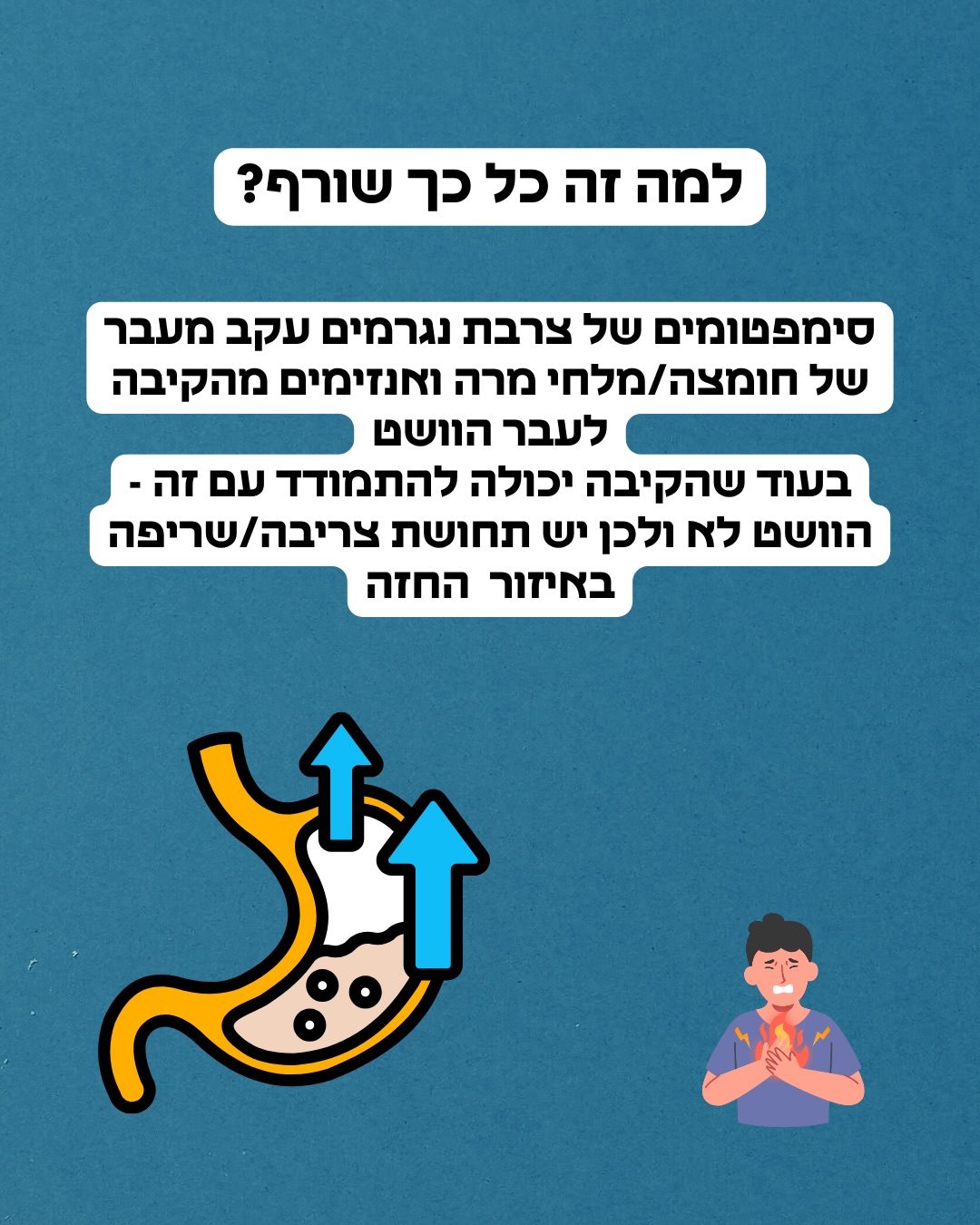
"צרבת נגרמת ממעבר של חומצה, מרה ואנזימים מהקיבה לוושט, שאינו עמיד בפניהם, מה שיוצר תחושת שריפה."
מסקנת הבדיקה:
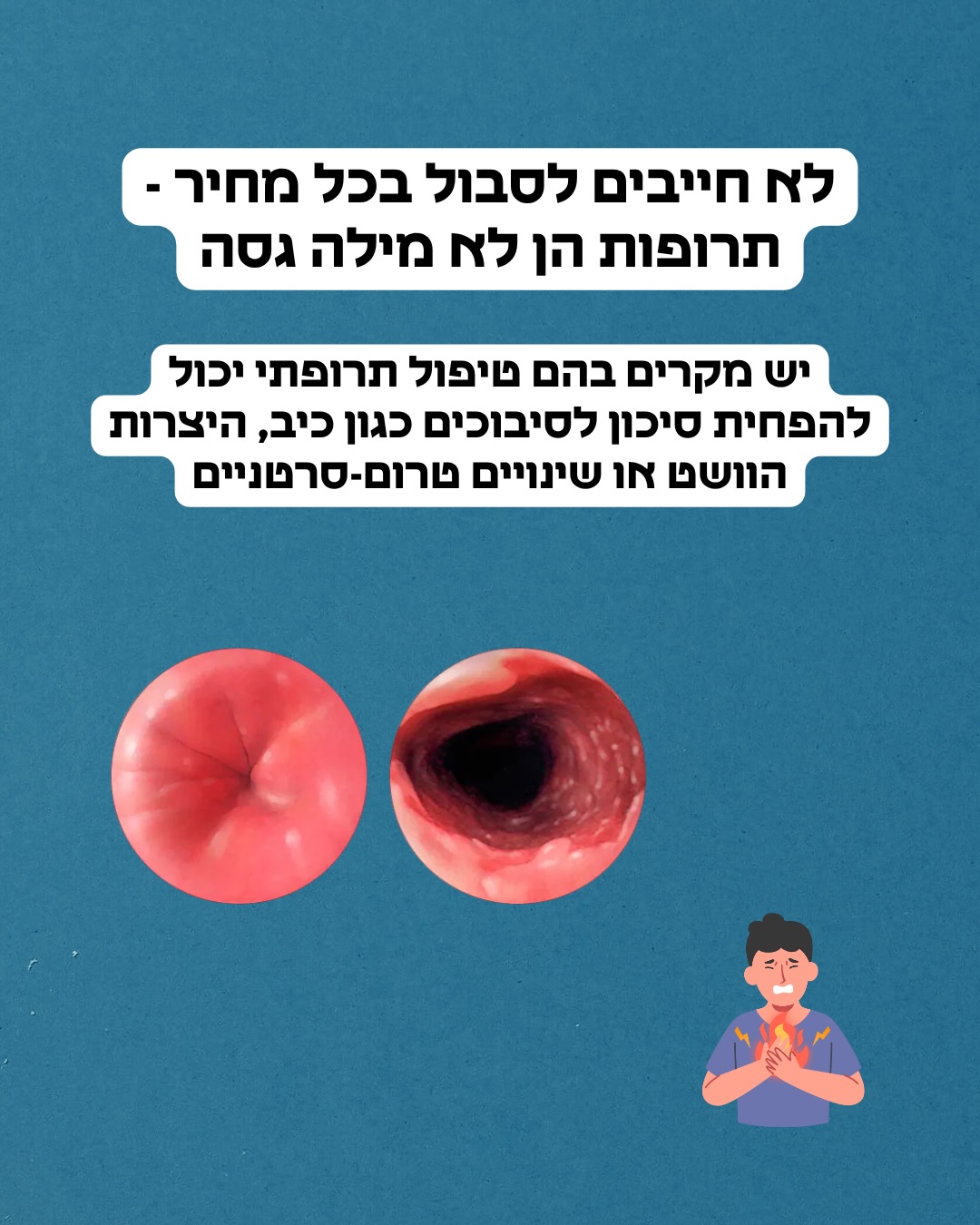
הספרות המדעית מאשרת כי מחלת החזר קיבתי-וושטי (GERD) נגרמת מחשיפה חוזרת של רירית הוושט לתוכן קיבתי הכולל חומצה, מרה ואנזימי עיכול, הגורמים לדלקת ולתחושת צריבה עקב חוסר עמידות הרירית לחומרים אלו. (🟩)
chevron_right מקורות מדעיים: (2)
-
link
Gastroesophageal reflux disease in the 21st century.
Gastroesophageal reflux disease (GERD) is a chronic disorder affecting a significant proportion of the global population, characterized by heartburn and regurgitation, and potentially associated with serious complications such as esophagitis, Barrett's esophagus, and adenocarcinoma. Its multifactorial pathophysiology includes alterations in the lower esophageal sphincter, motility, or visceral sensitivity. Diagnosis is based on a combination of clinical criteria and complementary tests such as endoscopy, pH monitoring, and impedance testing. Management includes non-pharmacological strategies like lifestyle and dietary changes, along with pharmacological therapy, with proton pump inhibitors being the cornerstone of treatment. Newer options, such as potassium-competitive acid blockers (vonoprazan), have shown promising benefits in refractory cases. This article synthesizes the most updated evidence on GERD, providing a comprehensive overview of its pathophysiology, diagnosis, and therapeutic options.…
PMID: 41616396
-
link
Can bile salts affect the contractile oesophageal activity associated with gastroesophageal reflux disease?
Bile salts are essential molecules that have evolved beyond their digestive surfactant properties to act as relevant pathophysiological signalling modulators. In the gastroesophageal reflux disease (GERD), recurrent exposure of the oesophagus to harmful agents of gastric and duodenal origin, including bile salts, results in chronic inflammation and damage to the oesophageal mucosa, ultimately promoting the progression of the normal oesophageal epithelium to pre-malignant or malignant lesions, such as Barrett's oesophagus and adenocarcinoma. Although the acidity of the refluxed material has long been considered the leading cause of pathological features in GERD, some patients do not respond adequately to conventional therapy with proton pump inhibitors, implicating non-acidic components of the gastroesophageal reflux originating in the stomach and/or duodenum. Oesophageal motor activity is an essential protection against GERD symptoms, as it directly determines the contact time of the refluxed material inside the oesophagus. Oesophageal dysmotility profiles are documented in GERD, and bile salts appear to contribute to this dysfunction. In this work, we highlight the involvement of bile salts in the pathogenesis of GERD, particularly their effect on oesophageal motility and their potential signalling pathways.…
PMID: 41640876
"צרבת וריפלוקס יכולים להתבטא גם בשיעול כרוני, טעם מר בפה, ריח רע מהפה, דלקת גרון, טריגר לאסתמה ושחיקת שיניים."
מסקנת הבדיקה:
קיימת עדות מדעית רחבה לכך ש-GERD יכול להתבטא בתסמינים חוץ-וושטיים (Extraesophageal manifestations) הכוללים שיעול כרוני, צרידות, דלקת גרון, החמרה באסתמה ושחיקת שיניים, הנובעים מחשיפה ישירה או רפלקס עצבי. (🟩)
chevron_right מקורות מדעיים: (3)
-
link
AGA Clinical Practice Update on the Diagnosis and Management of Extraesophageal Gastroesophageal Reflux Disease: Expert Review.
The purpose of this American Gastroenterological Association (AGA) Institute Clinical Practice Update is to review the available evidence and expert advice regarding the clinical management of patients with suspected extraesophageal gastroesophageal reflux disease. This article provides practical advice based on the available published evidence including that identified from recently published reviews from leading investigators in the field, prospective and population studies, clinical trials, and recent clinical guidelines and technical reviews. This best practice document is not based on a formal systematic review. The best practice advice as presented in this document applies to patients with symptoms or conditions suspected to be related to extraesophageal reflux (EER). This expert review was commissioned and approved by the AGA Institute Clinical Practice Updates Committee (CPUC) and the AGA Governing Board to provide timely guidance on a topic of high clinical importance to the AGA membership and underwent internal peer review by the CPUC and external peer review through standard procedures of Clinical Gastroenterology and Hepatology. These Best Practice Advice (BPA) statements were drawn from a review of the published literature and from expert opinion. Because systematic reviews were not performed, these BPA statements do not carry formal ratings of the quality of evidence or strength of the presented considerations. BEST PRACTICE ADVICE 1: Gastroenterologists should be aware of potential extraesophageal manifestations of gastroesophageal reflux disease (GERD) and should inquire about such disorders including laryngitis, chronic cough, asthma, and dental erosions in GERD patients to determine whether GERD may be a contributing factor to these conditions. BEST PRACTICE ADVICE 2: Development of a multidisciplinary approach to extraesophageal (EER) manifestations is an important consideration because the conditions are often multifactorial, requiring input from non-gastroenterology (GI) specialties. Results from diagnostic testing (ie, bronchoscopy, thoracic imaging, laryngoscopy, etc) from non-GI disciplines should be taken into consideration when gastroesophageal reflux (GER) is considered as a cause for extraesophageal symptoms. BEST PRACTICE ADVICE 3: Currently, there is no single diagnostic tool that can conclusively identify GER as the cause of EER symptoms. Determination of the contribution of GER to EER symptoms should be based on the global clinical impression derived from patients' symptoms, response to GER therapy, and results of endoscopy and reflux testing. BEST PRACTICE ADVICE 4: Consideration should be given toward diagnostic testing for reflux before initiation of proton pump inhibitor (PPI) therapy in patients with potential extraesophageal manifestations of GERD, but without typical GERD symptoms. Initial single-dose PPI trial, titrating up to twice daily in those with typical GERD symptoms, is reasonable. BEST PRACTICE ADVICE 5: Symptom improvement of EER manifestations while on PPI therapy may result from mechanisms of action other than acid suppression and should not be regarded as confirmation for GERD. BEST PRACTICE ADVICE 6: In patients with suspected extraesophageal manifestation of GERD who have failed one trial (up to 12 weeks) of PPI therapy, one should consider objective testing for pathologic GER, because additional trials of different PPIs are low yield. BEST PRACTICE ADVICE 7: Initial testing to evaluate for reflux should be tailored to patients' clinical presentation and can include upper endoscopy and ambulatory reflux monitoring studies of acid suppressive therapy. BEST PRACTICE ADVICE 8: Testing can be considered for those with an established objective diagnosis of GERD who do not respond to high doses of acid suppression. Testing can include pH-impedance monitoring while on acid suppression to evaluate the role of ongoing acid or non-acid reflux. BEST PRACTICE ADVICE 9: Alternative treatment methods to acid suppressive therapy (eg, lifestyle modifications, alginate-containing antacids, external upper esophageal sphincter compression device, cognitive-behavioral therapy, neuromodulators) may serve a role in management of EER symptoms. BEST PRACTICE ADVICE 10: Shared decision-making should be performed before referral for anti-reflux surgery for EER when the patient has clear, objectively defined evidence of GERD. However, a lack of response to PPI therapy predicts lack of response to anti-reflux surgery and should be incorporated into the decision process.…
PMID: 37061897
-
link
Extraesophageal manifestations in gastroesophageal reflux disease.
Gastroesophageal reflux disease (GERD) is a common condition that affects about 20-30% of the adult population, presenting with a broad spectrum of symptoms and varying degrees of severity and frequency. Other manifestations are being increasingly recognized: the so-called ''extraesophageal'' manifestations, such as laryngitis, hoarseness, chronic cough, asthma, or non-cardiac chest pain. Epidemiological studies consistently demonstrate significant associations between pulmonary manifestations and GERD. Up to 50% of patients with an endoscopically proven esophagitis suffer from symptoms other than heartburn or acid regurgitation. However, the published estimates of extraesophageal disorders in patients with GERD vary widely, which may be a result of referral bias. The most effective initial approach in suspected reflux-related extraesophageal symptoms is empiric proton pump inhibitor (PPI) therapy. However, studies demonstrated that the advantage of long-term PPI treatment over placebo could have been overestimated.…
PMID: 16971871
-
link
Extraesophageal manifestations of gastroesophageal reflux disease: cough, asthma, laryngitis, chest pain.
GER is a common condition affecting many patients in different parts of the world. It usually presents with the classic manifestations of heartburn and regurgitation; however, in some it can also present with extraesophageal manifestations such as chronic cough, laryngitis, asthma or chest pain. Commonly employed diagnostic tests such as EGD and ambulatory pH or impedance monitoring in GER, are less useful in extraesophageal syndromes due to their poor sensitivity and specificity. In contrast, empiric trials of PPI's are shown to be cost effective; however, patients may require long-term treatment to establish effectiveness. Diagnostic testing with pH and impedance monitoring are commonly reserved for patients with partial or poor response to the initial treatment with PPI's. Poor response to PPI therapy may be an important indicator for non-GER causes for patients' symptoms and should initiate a search for other potential causes.…
PMID: 22442097
"לעיסת מסטיק ללא סוכר לאחר האוכל מעלה את ייצור הרוק, מה שעוזר לנטרל ולשטוף חומצה שעלתה לוושט."
מסקנת הבדיקה:
לעיסת מסטיק מעלה את קצב הפרשת הרוק, המכיל ביקרבונט המסייע בנטרול חומציות בוושט ובשטיפת שאריות חומצה, ובכך מקלה על תסמיני צרבת לאחר ארוחות. (🟩)
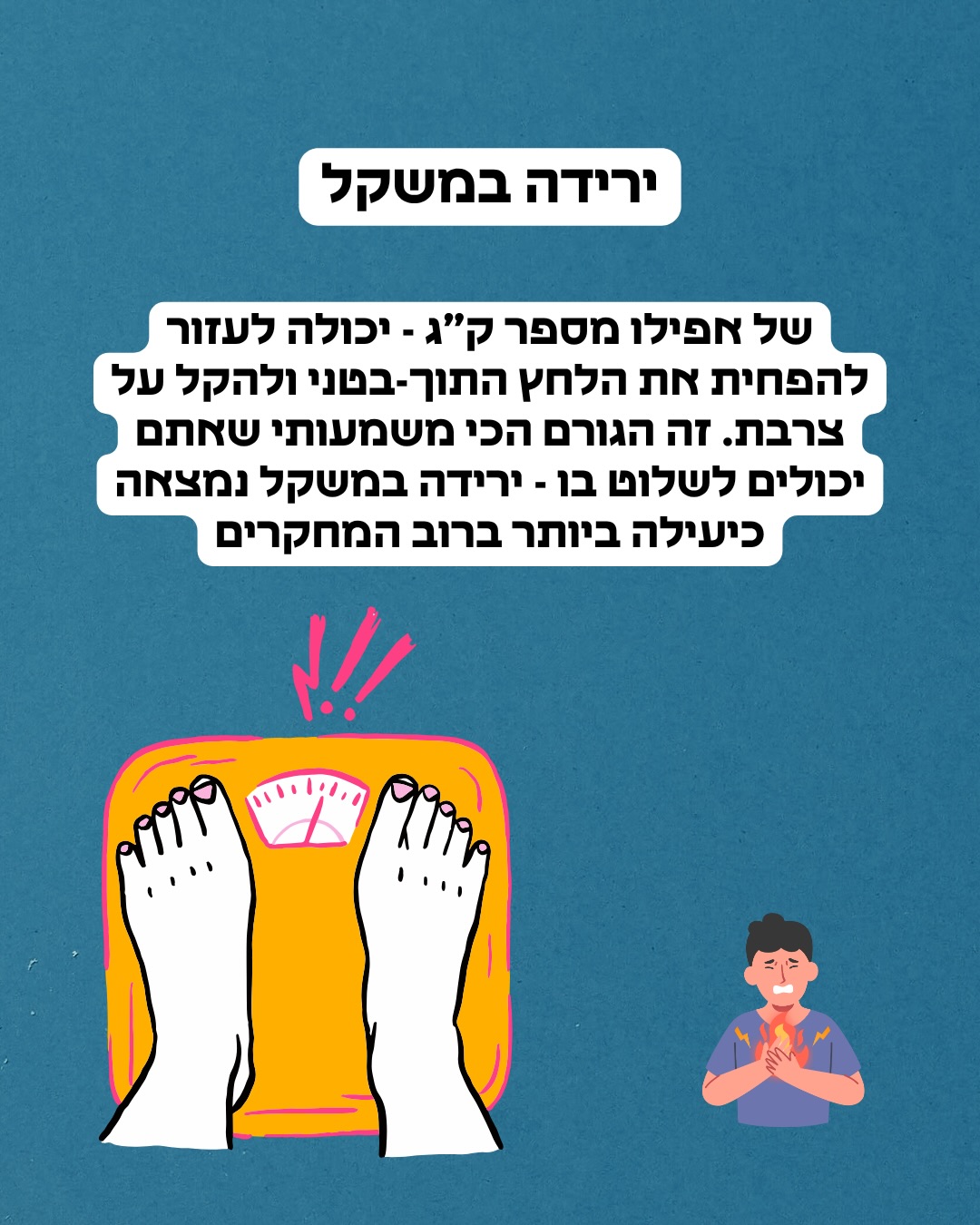
"ירידה במשקל, אפילו של מספר קילוגרמים, היא הגורם המשמעותי ביותר לשליטה בצרבת על ידי הפחתת הלחץ התוך-בטני."
מסקנת הבדיקה:
השמנה מעלה את הלחץ התוך-בטני, מה שמחליש את הסוגר הוושטי התחתון ומחמיר ריפלוקס. ירידה במשקל הוכחה כגורם משמעותי בהפחתת הלחץ התוך-בטני ובשיפור תסמיני הצרבת. (🟩)
chevron_right מקורות מדעיים: (3)
-
link
Gastro-oesophageal reflux disease in obesity: pathophysiological and therapeutic considerations.
Gastro-oesophageal reflux disease (GERD) is common in obese patients. Apart from the physical discomfort and the economic burden, GERD may increase morbidity and mortality through its association with oesophageal carcinoma. The pathophysiology of GERD differs between obese and lean subjects. First, obese subjects are more sensitive to the presence of acid in the oesophagus. Second, hiatal hernia, capable of promoting GERD by several mechanisms, is more prevalent among the obese. Third, obese subjects have increased intra-abdominal pressure that displaces the lower oesophageal sphincter and increases the gastro-oesophageal gradient. Finally, vagal abnormalities associated with obesity may cause a higher output of bile and pancreatic enzymes, which makes the refluxate more toxic to the oesophageal mucosa. The altered body composition associated with obesity affects the pharmacokinetics of drugs. There are no data regarding the efficacy of any of the drugs used for GERD treatment. The dosages of cimetidine and ranitidine should be calculated according to the patient's ideal body weight, not their actual weight. Of the operative procedures used for weight loss, Roux-en-Y gastric bypass was found to be most effective for GERD, while gastric banding was associated with a high prevalence of reflux. This review outlines the pathophysiology and the treatment of GERD in obesity with emphasis on the therapeutic considerations in this population of patients.…
PMID: 12119661
-
link
Patients with Obesity Undergoing Roux-En-Y Gastric Bypass Versus Fundoplication for Refractory GERD: A Systematic Review and Meta-Analysis.
Gastroesophageal reflux disease (GERD) significantly impairs quality of life and is associated with complications such as Barrett’s esophagus and esophageal adenocarcinoma. Obesity exacerbates GERD pathophysiology by elevating intra-abdominal pressure, making treatment more difficult. Current evidence suggests that Roux-en-Y gastric bypass (RYGB) offers superior outcomes compared to fundoplication in patients with severe obesity (BMI ≥ 40 kg/m²). This review aims to critically evaluate fundoplication versus RYGB in the population with obesity and GERD. We conducted a systematic review and meta-analysis in accordance with PRISMA guidelines. We performed a comprehensive search across PubMed, Embase, and Cochrane databases for studies comparing fundoplication versus RYGB in patients with obesity and GERD. Data extraction was standardized, focusing on intraoperative complications, operative time, length of hospital stay, reoperation, postoperative complications, postoperative dysphagia, and DeMeester score. Statistical analysis was performed using Cochrane RevMan (Review Manager 9.7.1), employing random-effects models. Heterogeneity was assessed using Cochran’s Q test and I² statistic. The analysis included 7 observational studies. We found no differences in complication rates after sensitivity analysis. There were no differences in dysphagia, reoperation rate, operative time and length of stay. At a weighted mean follow-up of 42.3 months (range: 19.6 to 52.0) for fundoplication and 35.2 months (range: 14.6 to 49.0) for RYGB, GERD resolution, measured by the DeMeester score, slightly favored fundoplication, although the absolute difference was not clinically relevant. Regarding weight outcomes, RYGB demonstrated significantly higher total weight loss (TWL) at the 12-month follow-up. Fundoplication appears statistically superior for GERD resolution postoperatively, but the difference is not clinically relevant. RYGB has a higher TWL. Both procedures are safe for GERD control in patients with obesity. The choice between procedures should weigh reflux severity, complication risks, and metabolic diseases associated with obesity. Larger studies are needed to clarify the impact of surgical timing and patient-specific factors. The online version contains supplementary material available at 10.1007/s11695-026-08552-1.…
PMID: 41838365
-
link
Single-stage transoral incisionless fundoplication and laparoscopic sleeve gastrectomy for the management of GERD and obesity.
Gastro-esophageal reflux disease (GERD) is frequently associated with obesity. Excess body weight, particularly central adiposity, with a concomitantly raised intra-abdominal pressure, leads to a reduced lower esophageal sphincter (LES) pressure and GERD. The lax LES essentially causes acid reflux in the lower esophagus. We report a 44-year-old woman who presented to our surgical clinic with heartburn and acid reflux, associated with difficulty in weight management. The patient had a BMI of 35 kg/m The patient was planned for a single-stage Transoral Incisionless Fundoplication (TIF) and laparoscopic sleeve gastrectomy for her GERD and obesity, respectively. TIF was performed by two experienced endoscopists, one controlling the EsophyX device and the other ensuring continuous direct visualization of the field of work with the endoscope. Following the procedure, laparoscopic sleeve gastrectomy was performed during the same session. The patient had an uneventful recovery. Eight months after surgery, the patient reported resolution of her GERD symptoms and a weight loss of 20 kg.…
PMID: 36996706
"הפסקת עישון יכולה לשפר את תסמיני הצרבת."
מסקנת הבדיקה:
עישון טבק מוכר כגורם סיכון משמעותי ל-GERD בשל השפעתו על תפקוד הסוגר הוושטי והפחתת הפרשת רוק מנטרל. הפסקת עישון נחשבת להמלצה קלינית מבוססת לשיפור התסמינים. (🟩)
chevron_right מקורות מדעיים: (3)
-
link
Gastroesophageal Reflux Disease: A Review.
Gastroesophageal reflux disease (GERD) is defined by recurrent and troublesome heartburn and regurgitation or GERD-specific complications and affects approximately 20% of the adult population in high-income countries. GERD can influence patients' health-related quality of life and is associated with an increased risk of esophagitis, esophageal strictures, Barrett esophagus, and esophageal adenocarcinoma. Obesity, tobacco smoking, and genetic predisposition increase the risk of developing GERD. Typical GERD symptoms are often sufficient to determine the diagnosis, but less common symptoms and signs, such as dysphagia and chronic cough, may occur. Patients with typical GERD symptoms can be medicated empirically with a proton pump inhibitor (PPI). Among patients who do not respond to such treatment or if the diagnosis is unclear, endoscopy, esophageal manometry, and esophageal pH monitoring are recommended. Patients with GERD symptoms combined with warning symptoms of malignancy (eg, dysphagia, weight loss, bleeding) and those with other main risk factors for esophageal adenocarcinoma, such as older age, male sex, and obesity, should undergo endoscopy. Lifestyle changes, medication, and surgery are the main treatment options for GERD. Weight loss and smoking cessation are often useful. Medication with a PPI is the most common treatment, and after initial full-dose therapy, which usually is omeprazole 20 mg once daily, the aim is to use the lowest effective dose. Observational studies have suggested several adverse effects after long-term PPI, but these findings need to be confirmed before influencing clinical decision making. Surgery with laparoscopic fundoplication is an invasive treatment alternative in select patients after thorough and objective assessments, particularly if they are young and healthy. Endoscopic and less invasive surgical techniques are emerging, which may reduce the use of long-term PPI and fundoplication, but the long-term safety and efficacy remain to be scientifically established. The clinical management of GERD influences the lives of many individuals and is responsible for substantial consumption of health care and societal resources. Treatments include lifestyle modification, PPI medication, and laparoscopic fundoplication. New endoscopic and less invasive surgical procedures are evolving. PPI use remains the dominant treatment, but long-term therapy requires follow-up and reevaluation for potential adverse effects.…
PMID: 33351048
-
link
Lifestyle Intervention in Gastroesophageal Reflux Disease.
Gastroesophageal reflux disease (GERD) affects up to 30% of adults in Western populations and is increasing in prevalence. GERD is associated with lifestyle factors, particularly obesity and tobacco smoking, which also threatens the patient's general health. GERD carries the risk of several adverse outcomes and there is widespread use of potent acid-inhibitors, which are associated with long-term adverse effects. The aim of this systematic review was to assess the role of lifestyle intervention in the treatment of GERD. Literature searches were performed in PubMed (from 1946), EMBASE (from 1980), and the Cochrane Library (no start date) to October 1, 2014. Meta-analyses, systematic reviews, randomized clinical trials (RCTs), and prospective observational studies were included. Weight loss was followed by decreased time with esophageal acid exposure in 2 RCTs (from 5.6% to 3.7% and from 8.0% to 5.5%), and reduced reflux symptoms in prospective observational studies. Tobacco smoking cessation reduced reflux symptoms in normal-weight individuals in a large prospective cohort study (odds ratio, 5.67). In RCTs, late evening meals increased time with supine acid exposure compared with early meals (5.2% point change), and head-of-the-bed elevation decreased time with supine acid exposure compared with a flat position (from 21% to 15%). Weight loss and tobacco smoking cessation should be recommended to GERD patients who are obese and smoke, respectively. Avoiding late evening meals and head-of-the-bed elevation is effective in nocturnal GERD.…
PMID: 25956834
-
link
[Gastroesophageal Reflux Disease].
Gastroesophageal reflux disease (GERD) is increasingly prevalent and often not fully controlled by proton pump inhibitors alone, prompting renewed interest in evidence-based dietary and lifestyle management. This narrative review integrates contemporary guidelines with clinical, physiologic, and epidemiologic studies to formulate practical, patient-centered recommendations. Interventions with the most consistent support included the following: weight reduction, maintaining a two-to-three-hour interval between the final meal and bedtime, head-of-bed elevation and left-lateral sleep, smoking cessation, and light postprandial activity while avoiding high-intensity exercise immediately after meals. Eating slowly and consuming smaller portions are encouraged. Dietary triggers, such as high-fat foods, alcohol, carbonated beverages, coffee/caffeine, chocolate, and acidic items (e.g., tomato products and citrus), show heterogeneous associations across studies. Accordingly, individualized avoidance or substitution is preferable to universal prohibition. Pragmatic substitutions (e.g., decaffeinated coffee or low-fat latte; lean poultry or fish instead of fatty processed meats; less acidic fruits such as apple, pear, or banana) may enhance adherence. Emerging randomized evidence suggests that diaphragmatic breathing can reduce postprandial reflux events, increase inspiratory lower esophageal sphincter pressure, and improve symptoms and quality of life. On the other hand, the evidence base remains limited in scope and duration. Overall, tailored dietary and lifestyle modification constitutes a credible adjunct to pharmacotherapy and a practical framework for patient counseling in GERD. Gastroesophageal reflux disease (GERD) is increasingly prevalent and often not fully controlled by proton pump inhibitors alone, prompting renewed interest in evidence-based dietary and lifestyle management. This narrative review integrates contemporary guidelines with clinical, physiologic, and epidemiologic studies to formulate practical, patient-centered recommendations. Interventions with the most consistent support included the following: weight reduction, maintaining a two-to-three-hour interval between the final meal and bedtime, head-of-bed elevation and left-lateral sleep, smoking cessation, and light postprandial activity while avoiding high-intensity exercise immediately after meals. Eating slowly and consuming smaller portions are encouraged. Dietary triggers, such as high-fat foods, alcohol, carbonated beverages, coffee/caffeine, chocolate, and acidic items (e.g., tomato products and citrus), show heterogeneous associations across studies. Accordingly, individualized avoidance or substitution is preferable to universal prohibition. Pragmatic substitutions (e.g., decaffeinated coffee or low-fat latte; lean poultry or fish instead of fatty processed meats; less acidic fruits such as apple, pear, or banana) may enhance adherence. Emerging randomized evidence suggests that diaphragmatic breathing can reduce postprandial reflux events, increase inspiratory lower esophageal sphincter pressure, and improve symptoms and quality of life. On the other hand, the evidence base remains limited in scope and duration. Overall, tailored dietary and lifestyle modification constitutes a credible adjunct to pharmacotherapy and a practical framework for patient counseling in GERD.…
PMID: 41132014

ד״ר אסי שגיב
דירוג זה מבוסס על 5 דוחות אימות קודמים.












האם הדוח הזה היה מועיל לך?
מה היה פחות טוב? (רשות)
תודה על הפידבק!
עירעור על דוח זה
ספקו ראיות חדשות או הצביעו על אי דיוקים
נעדכן אותך על תוצאות הבדיקה
הוסיפו קישורים למחקרים או מקורות רפואיים מוכרים
העירעור נשלח בהצלחה!
המנוע המדעי שלנו יבדוק את הראיות שהגשתם. נעדכן אתכם באימייל עם התוצאות.
ניתוח מבוסס בינה מלאכותית
דוח זה נוצר באופן אוטומטי על ידי מערכת בינה מלאכותית ועשוי להכיל שגיאות, אי-דיוקים או מידע חלקי. הניתוח אינו מהווה ייעוץ רפואי, אבחנה או המלצה לטיפול, והוא אינו תחליף לדעתו של איש מקצוע רפואי מוסמך. יש להתייעץ עם רופא או מומחה מוסמך לפני קבלת כל החלטה רפואית. המידע מוצג לצרכי מידע כללי בלבד.
מידע זה מופק על ידי בינה מלאכותית ואינו מהווה תחליף לייעוץ רפואי מקצועי.